2024年John Locke約翰洛克寫作競賽正式啟動!John Locke競賽推薦理由

John Locke官網最近公布了2024年比賽題目,標志著新一季競賽正式開始。作為一項在全球范圍內享有盛名的寫作競賽,John Locke每年都吸引著大量的初中和高中生積極投稿。去年的注冊人數更是超過19,000人,創下了歷史新高。那么John Locke競賽到底是什么?初中生和高中生有必要參加嗎?工欲善其事,必先利其器,如果你感興趣但又有疑慮,這份John Locke比賽指南可一定要收好!
John Locke寫作競賽介紹
約翰·洛克論文競賽(John Locke Essay Competition)以17世紀英國著名哲學家、古典自由主義鼻祖John Locke命名。該競賽由獨立教育組織John Locke Institute與普林斯頓大學、牛津大學聯合參辦,是人文社科領域中含金量最高的國際征文比賽之一。
該競賽由Top10院校的專家輪流擔任評委,牛津大學資深教授親自評獎。競賽設有哲學、政治學、經濟學、歷史學、心理學、神學和法學等七個學科類別,每個學科類別設有三到四個不同的問題。同時,針對14歲及以下的學生,競賽還設有低年級組(Junior Prize),提供六到七個題目供選擇。
參賽者需要從所選學科類別中選擇一個問題,撰寫一篇不超過2000字的議論文(argumentative essay)。文章要求學生清晰地展現自己的觀點,并圍繞觀點進行合理的論證。
評審過程注重考察學生的多個方面素質。首先,學生需要對所選話題有深入的了解和研究。其次,學生需要熟悉議論文的寫作格式和要求,包括基本的文章框架和范式。評審還會關注論證的質量,即論證是否充分且論據是否有效使用。最后,整體寫作能力也會被評審考量,包括語言表達、邏輯體系、語言風格、語法問題和規范格式等。
每個學科類別和低年級組將分別評選出一、二、三等獎各一名,其中最優秀的參賽者將被授予終極大獎(Grand Prize),并獲得額外的10000美元獎學金。此外,未獲獎但表現出色的文章將被提名入圍(shortlist),并在入圍者中區分出極其卓越(High Distinction)和卓越者(Distinction)。
2024年John Locke賽事時間線(均為英國時間)
注冊時間
參賽者必須在2024年5月31日前于官網完成注冊,方可進行投稿。注冊將于4月1日開放。
提交時間
● 截止日期:2024年6月30日23時59分。高年級組參賽學生需確保在此日期時不超過18歲;低年級組學生需在此日期時不超過14歲。
● 延遲提交:如果出于任何原因錯過了6月30日的截止日期,符合以下兩種情況的學生可以延遲提交a) 必須在原定截止日期的24小時內通過信用卡支付 20美元遲交費用;b) 論文必須在7月10日23時59分之前提交。
入圍通知時間
2024年7月31日
John Locke報名投稿-免費領資料【翰林提供報名服務】

福利:John Locke 推薦書單(電子書)
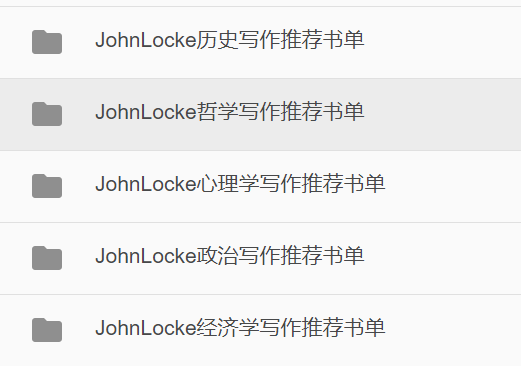
John Locke競賽推薦理由
John Locke競賽是一項備受英美名校認可的高含金量世界性獎項。歷年來,獲得該競賽獎項的學生有超過一半被美國常春藤學校和英國G5名校中的至少一所錄取,包括普林斯頓大學、哈佛大學、耶魯大學、斯坦福大學、芝加哥大學、賓夕法尼亞大學、哥倫比亞大學和喬治敦大學等。
參加John Locke競賽可以獲得一篇精心打磨的學術文章,為申請高分夏校或其他科研項目提供Writing Sample。無論是理工科、文社科還是商科類的項目,申請者的學術背景對于金字塔尖項目的申請至關重要。通過參加比賽,學生經歷一輪系統的學術寫作訓練,形成一篇架構嚴謹、行文流暢的學術文章,為之后的項目申請提供了有力的支持。
參加John Locke競賽可以掌握議論文寫作的核心技巧,更好應對國際課程和大學的學術寫作要求。作為一項受眾廣泛、聲譽很高的競賽,參賽學生不僅可以贏得獎項,還可以在成文過程中掌握學術性文章的寫作技巧,學習議論文的寫作格式,培養批判性的學術思維。這對國際課程體系下的學生來說是必不可少的能力,也能為大學學習打下堅實的基礎。
參加John Locke競賽可以促進在不同學科領域的深度閱讀和思考。該競賽的題目范圍非常廣泛,學生可以從多個角度切入。在準備寫作之前,學生需要認真閱讀與題目相關的書籍和文章,并做好筆記,逐漸形成自己的觀點。在寫作過程中,學生需要引用各種資料,結合經典文獻和現實案例,豐富文章的論證層次。這樣的研究和寫作過程能讓學生深入了解所選題目涉及的學科基本背景,獲得知識和思維上的進階。
論文題目
1、Philosophy?哲學
Q1. Do we have any good reasons to trust our moral intuition?
Q2. Do girls have a right to compete in sporting contests that exclude boys?
Q3. Should I be held responsible for what I believe?
2、Politics政治
Q1. Is there such a thing as too much democracy?
Q2. Is peace in the West Bank and the Gaza Strip possible?
Q3. When is compliance complicity?
3、Economics經濟學
Q1. What is the optimal global population?
Q2. Accurate news reporting is a public good. Does it follow that news agencies should be funded from taxation?
Q3. Do successful business people benefit others when making their money, when spending it, both, or neither?
4、History歷史
Q1. Why was sustained economic growth so rare before the later 18th century and why did this change?
Q2. Has music ever significantly changed the course of history?
Q3. Why do civilisations collapse? Is our civilisation in danger?
5、Psychology心理學
Q1. According to a study by four British universities, for each 16-point increase in IQ, the likelihood of getting married increases by 35% for a man but decreases by 40% for a woman. Why?
Q2. There is an unprecedented epidemic of depression and anxiety among young people. Can we fix this? How?
Q3. What is the difference between a psychiatric illness and a character flaw?
6、Theology神學
Q1. “I am not religious, but I am spiritual.” What could the speaker mean by “spiritual”?
Q2. Is it reasonable to thank God for protection from some natural harm if He is responsible for causing the harm?
Q3. Does God reward those who believe in him? If so, why?
7、Law法律
Q1. When, if ever, should a company be permitted to refuse to do business with a person because of that person’s public statements?
Q2. In the last five years British police have arrested several thousand people for things they posted on social media. Is the UK becoming a police state?
Q3. Your parents say that 11pm is your bedtime. But they don’t punish you if you don’t go to bed by 11pm. Is 11pm really your bedtime?
8、JUNIOR prize
Q1. Does winning a free and fair election automatically confer a mandate for governing?
Q2. Has the anti-racism movement reduced racism?
Q3. Is there life after death?
Q4. How did it happen that governments came to own and run most high schools, while leaving food production to private enterprise?
Q5. When will advancing technology make most of us unemployable? What should we do about this?
Q6. Should we trust fourteen-year-olds to make decisions about their own bodies?
以上就是關于【2024年John Locke約翰洛克寫作競賽正式啟動!John Locke競賽推薦理由】的解答,如需了解學校/賽事/課程動態,可至翰林教育官網獲取更多信息。
往期文章閱讀推薦:
2027賽季國家歷史日(NHD)主題公布,聚焦歷史中的創新,文科生爬藤機會來了!


翰林AMC8視頻課重磅上線!

國際競賽真題資源免費領取






