AQA A Level Biology復習筆記3.3.1 Digestion

The Process of Digestion
- Digestion is a process in which relatively?large, insoluble biological molecules?in food (such as starch, proteins)?are hydrolysed?into?smaller, soluble molecules?that can be?absorbed across the cell membranes?into the bloodstream and delivered to cells in the body
- Enzymes?are essential for the process of digestion as they catalyse the hydrolysis
- These small soluble molecules (such as glucose and amino acids) are used either to?provide cells with energy?(via respiration) or to?build other molecules?for?cell growth, repair and function
- Proteins?are hydrolysed into amino acids
- Carbohydrates?are hydrolysed into simple sugars
- Lipids?are hydrolysed into a mixture of glycerol and fatty acids
Human Digestive System
- The human digestive system includes the following:
- Glands?- the salivary glands and glands in the pancreas produce digestive juices
- The?stomach?and?small intestine?- the sites of digestion
- The?liver?- produces bile
- Small intestine?- the site of absorption
- Large intestine?- site of water reabsorption
Digestive System Table
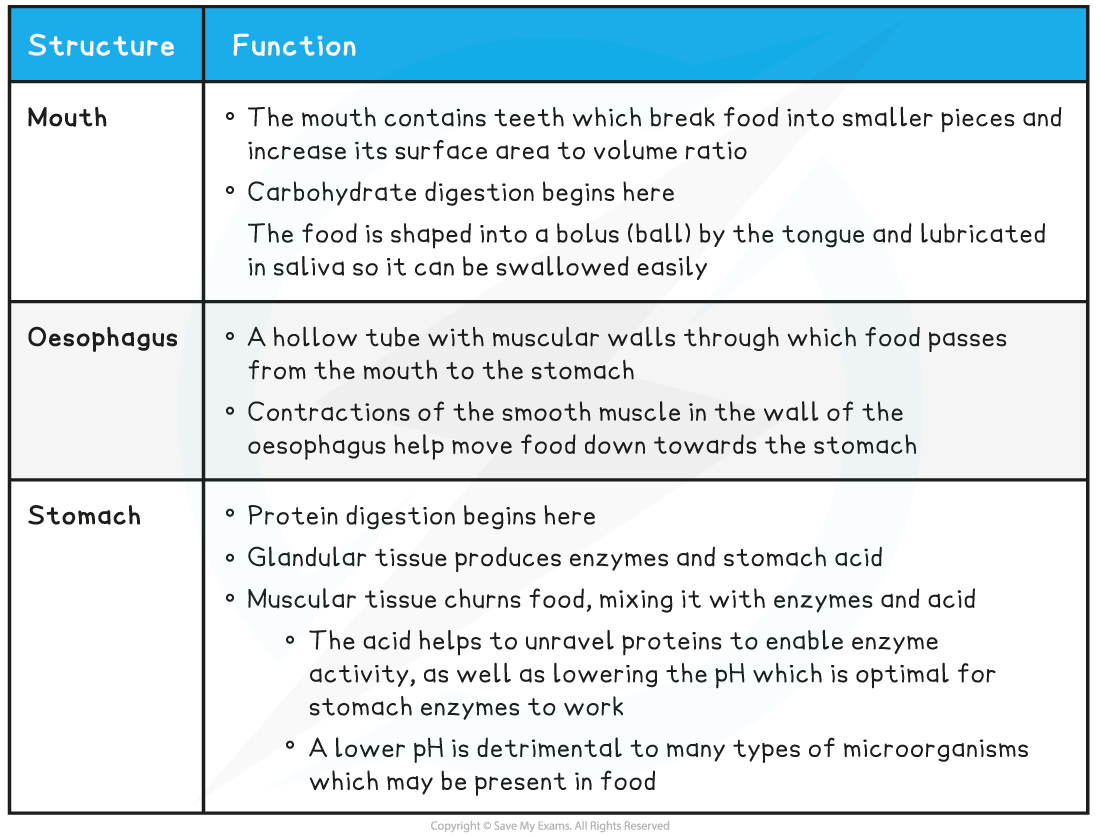
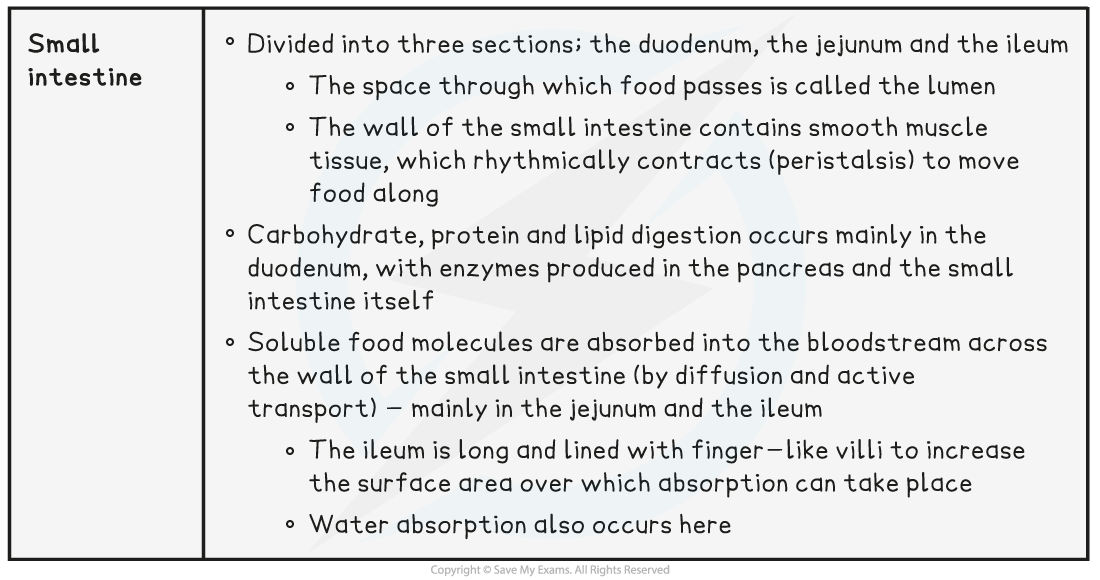
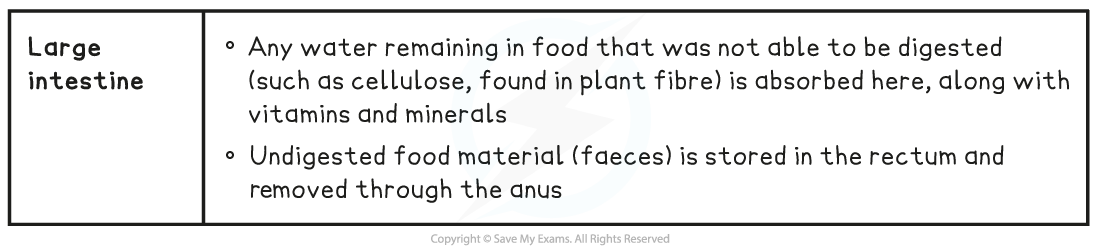
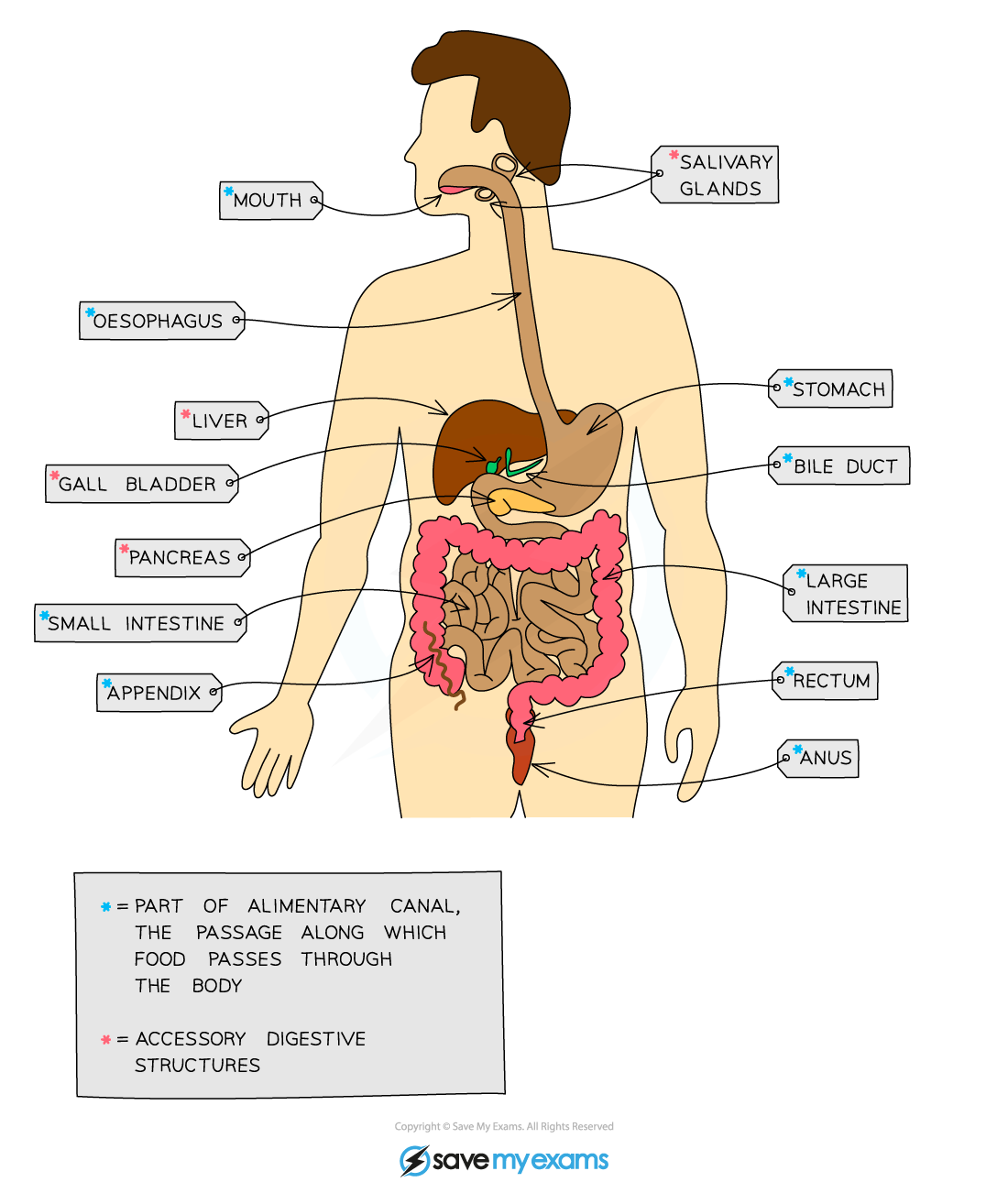
The human digestive system
轉載自savemyexams
以上就是關于【AQA A Level Biology復習筆記3.3.1 Digestion】的解答,如需了解學校/賽事/課程動態,可至翰林教育官網獲取更多信息。
往期文章閱讀推薦:
MIT官方發布【2026年夏季推薦閱讀書單】!橫跨科學/人文/經濟...


翰林AMC8視頻課重磅上線!

國際競賽真題資源免費領取






