Edexcel IGCSE Chemistry 復習筆記 3.1.1 Exothermic & Endothermic

Edexcel IGCSE Chemistry 復習筆記 3.1.1 Exothermic & Endothermic
Exothermic & Endothermic
- The changes in heat content can be determined and?measured?with a thermometer
- Note that the overall amount of energy does not change as energy is?conserved?in reactions
- This is known as the?law of conservation of energy
- This means that it cannot be?created?or?destroyed?but it can be?transferred
- So, if energy is transferred to the surroundings during a chemical reaction, then the products formed must have?less energy?than the reactants by the same amount as that transferred
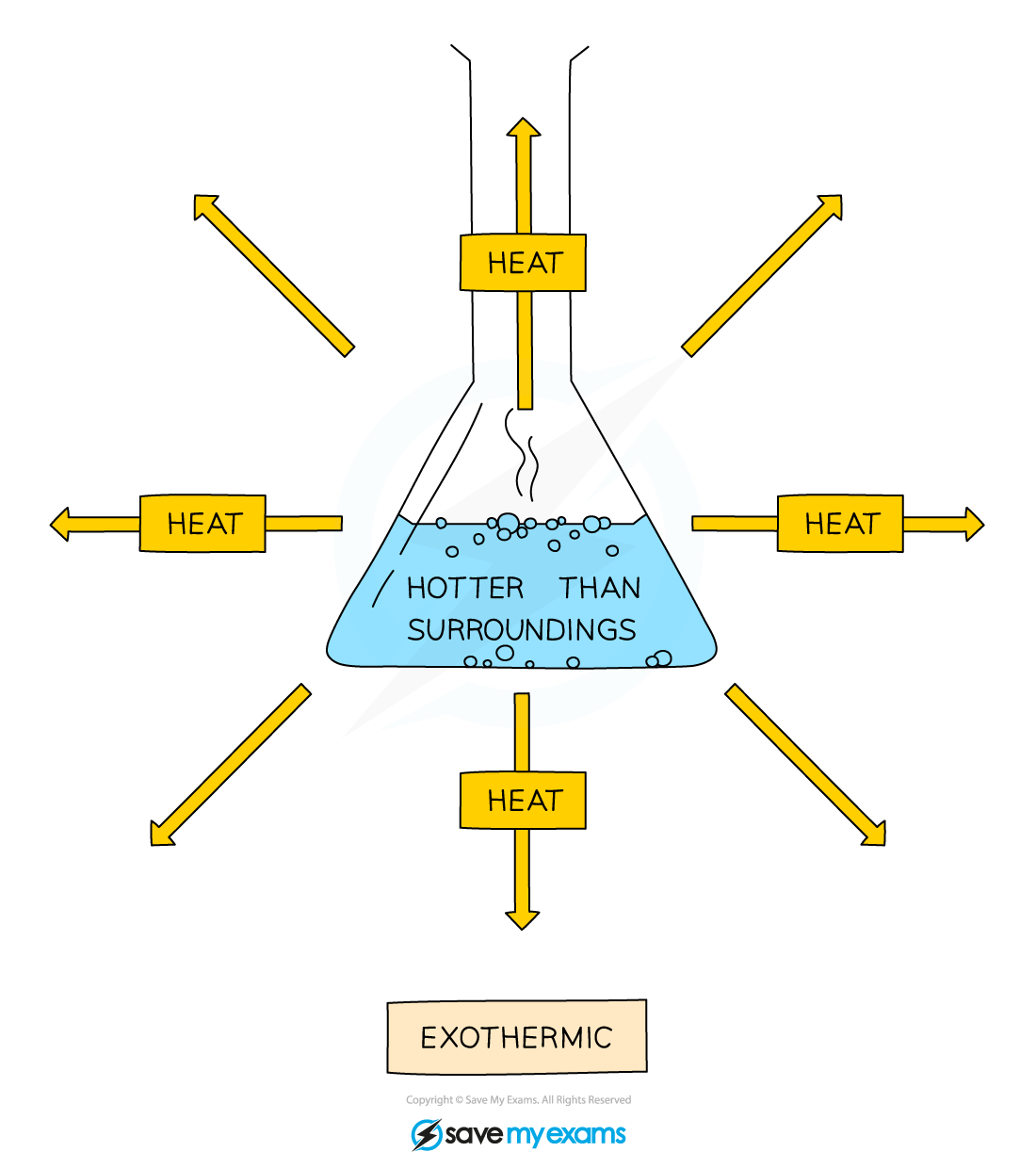
In exothermic reactions, the temperature of the surroundings increases and the heat content of the system falls
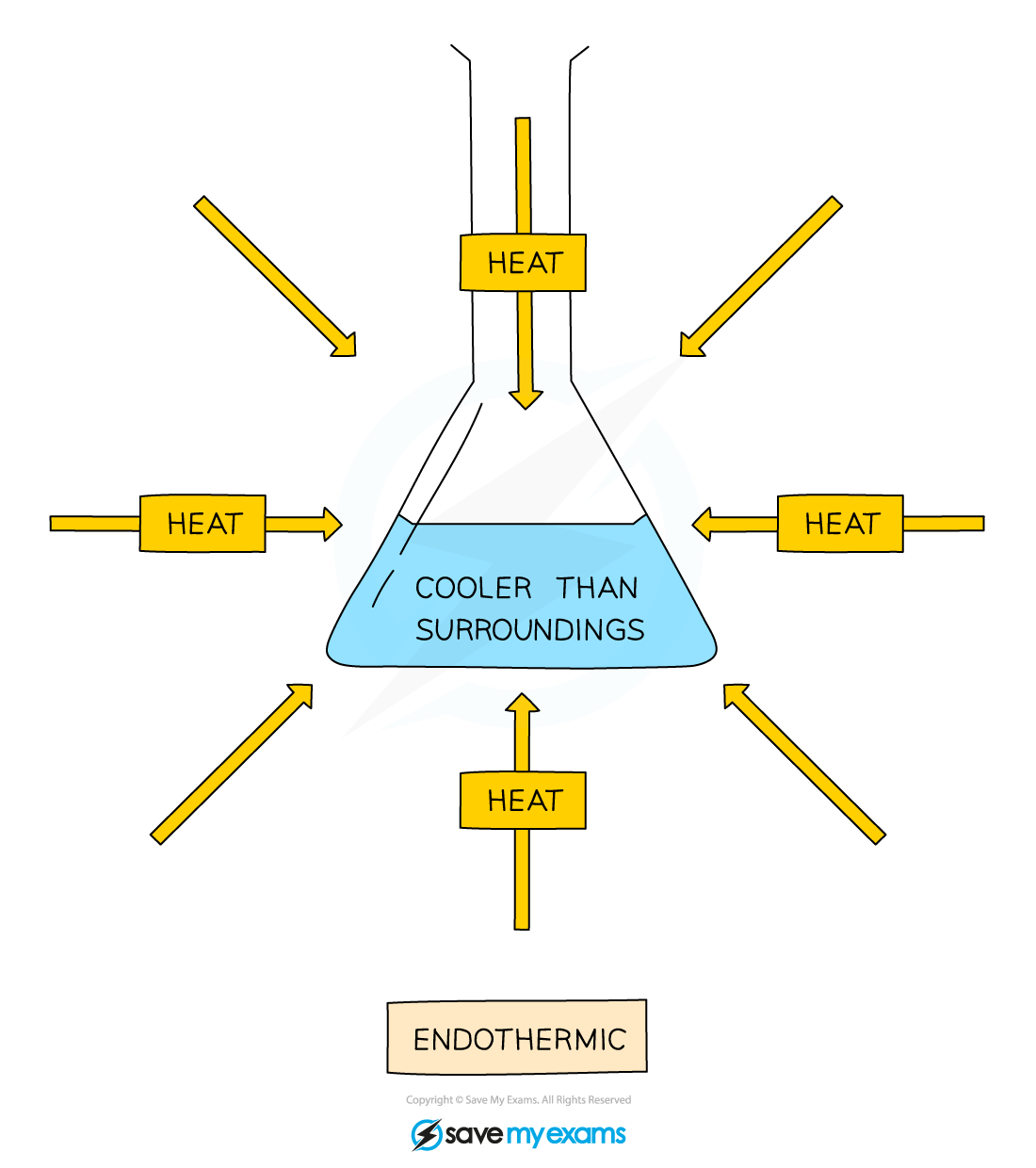
In endothermic reactions, the temperature of the surroundings falls and the heat content of the system increases
- The following are some examples of heat changes in reactions
- Neutralisation?reactions:
- These always give energy?out
- Displacement?reactions:
- These can either take energy?in?or give it?out
- Combustion?reactions:
- These always give energy?out
- Neutralisation?reactions:
Exam Tip
Physical processes can also involve heat exchange. Examples include freezing or melting which involve a change in state.
轉載自savemyexams
以上就是關于【Edexcel IGCSE Chemistry 復習筆記 3.1.1 Exothermic & Endothermic】的解答,如需了解學校/賽事/課程動態,可至翰林教育官網獲取更多信息。
往期文章閱讀推薦:
MIT官方發布【2026年夏季推薦閱讀書單】!橫跨科學/人文/經濟...


翰林AMC8視頻課重磅上線!

國際競賽真題資源免費領取






