IB DP Biology: SL復(fù)習(xí)筆記2.6.4 Skills: DNA, RNA & Protein Synthesis

Drawing DNA & RNA Nucleotides & DNA Double Helix
Drawing simple diagrams of the structure of single nucleotides of DNA and RNA
- Simple shapes?can be used to draw the?main building blocks of nucleotides?and the DNA double helix
- Advanced drawing skills are not required!
- Pentagons?can represent?pentose sugars
- Circles?can represent?phosphates
- Often shown as a circle with the letter P inside: ?
- Rectangles?can represent?bases
- Covalent bonds?can be shown with?solid lines
- Hydrogen bonds?can be shown with?dashed lines
- Or with complementary shapes that fit together (see diagrams)
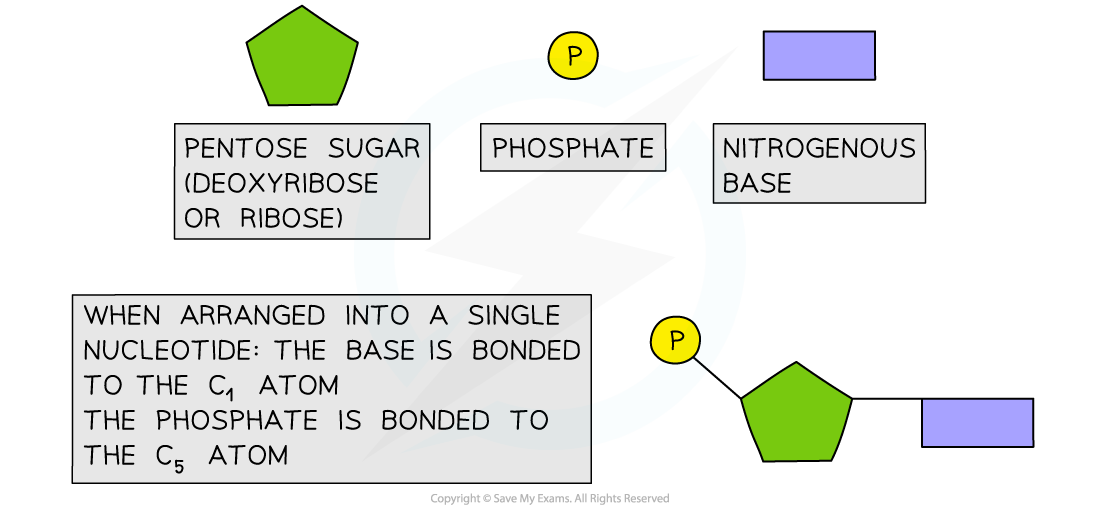
Simple shapes can be used to represent parts of nucleotide molecules
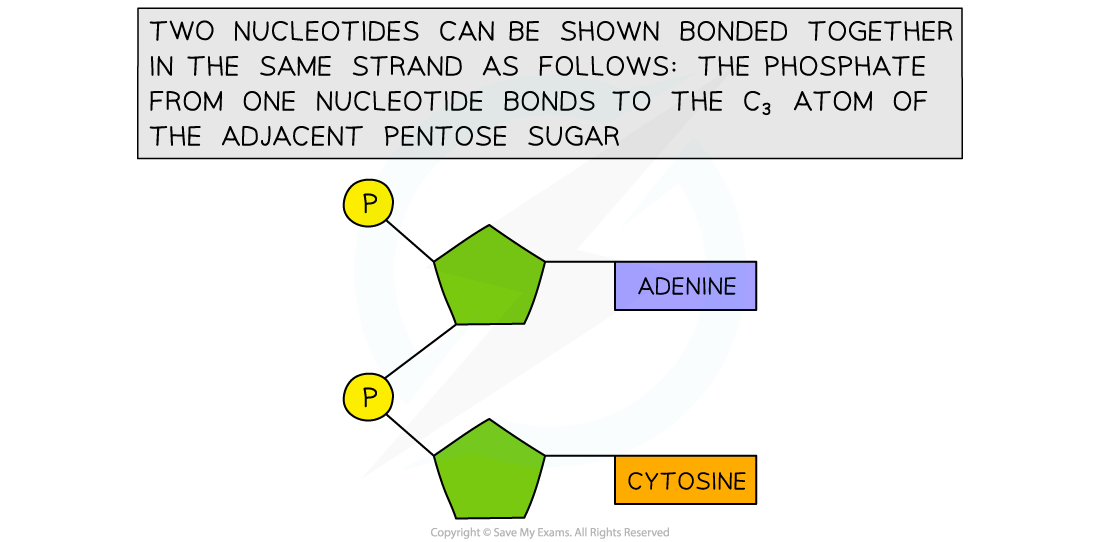
Two nucleotides shown bonded together covalently within a strand
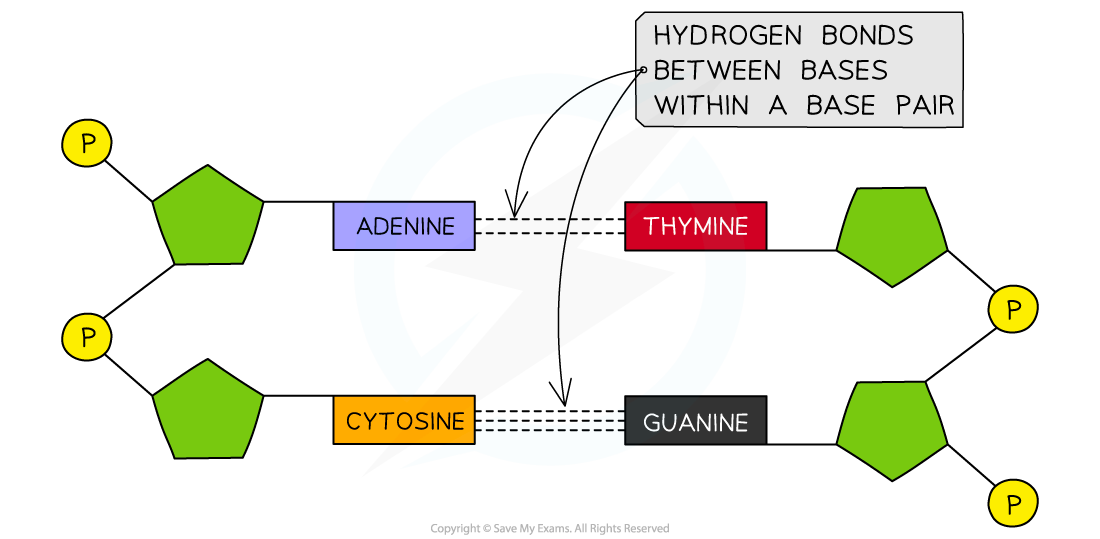
When drawing the base pairing, the opposite strand should be antiparallel to the first.?The presence of hydrogen bonding is shown, but the numbers/lengths of bonds is not required
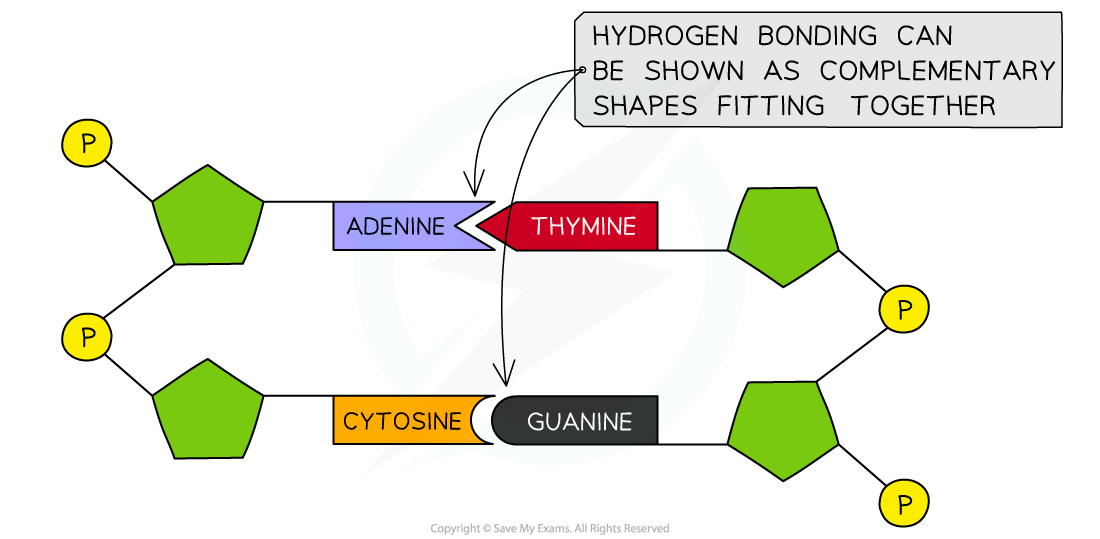
An alternative way to draw a DNA strand is to use complementary shapes for the bases
Exam Tip
Simple, hand-drawn shapes will suffice in an exam. Expert tip - a?large?drawing is always easier for an examiner to read (and award marks for) than a small one!Read the question carefully; examiners often want a?whole nucleotide?to be identified in your diagram and to ensure your diagram includes?all 4 complementary bases.You don't have to remember the number of hydrogen bonds between the bases.Also, remember to draw DNA strands as?antiparallel?(one upside-down versus the other) but you don't have to be able to draw a helix shape!
轉(zhuǎn)載自savemyexams
以上就是關(guān)于【IB DP Biology: SL復(fù)習(xí)筆記2.6.4 Skills: DNA, RNA & Protein Synthesis】的解答,如需了解學(xué)校/賽事/課程動(dòng)態(tài),可至翰林教育官網(wǎng)獲取更多信息。
往期文章閱讀推薦:
斯坦福大學(xué)官方推薦書單!名校學(xué)霸們暑假都在讀什么?
MIT官方發(fā)布【2026年夏季推薦閱讀書單】!橫跨科學(xué)/人文/經(jīng)濟(jì)...


翰林AMC8視頻課重磅上線!

國(guó)際競(jìng)賽真題資源免費(fèi)領(lǐng)取






