2023 John Locke寫作競賽簡介,主要考察學生什么?(附John Locke真題)

每每看到沖擊美本的理科生有那么多的學術活動可以豐富背景,文科生心里就開始“酸”了。就沒有適合文科生的學術活動了嗎?
文科生也是有份量十足的頂級賽事的,如果你平日喜愛閱讀硬核學術文獻,又有滿腔寫作“熱血”卻又無處釋放,那么John Locke論文學術活動就非常適合你參加。
John Locke寫作學術活動簡介
約翰·洛克學院(John Locke Institute)?是英國牛津的一個獨立教育組織,以十七世紀牛津哲學家、古典自由主義的鼻祖約翰·洛克命名。該組織鼓勵學生培養優秀作家所具備的品質:思想獨立、知識淵博、邏輯清晰、分析具有批判性、文風具有說服力。
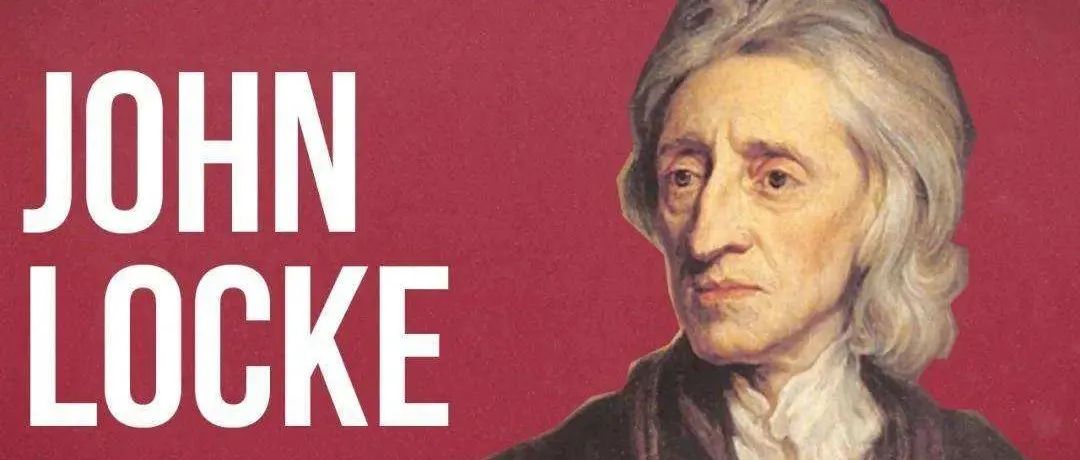 它所舉辦的?約翰·洛克學院論文寫作大賽?受到英美各大頂級院校的認可,是?含金量極高?的論文寫作學術活動。該比賽引領學生去探索7個學科分類中極具挑戰性而又妙趣橫生的問題。這七個學科包括哲學、政治學、經濟學、歷史學、心理學、神學、法律,同時設有少年組題目。
適合學生
高年級組:15歲~18歲
低年級組:15歲及以下
推薦英文寫作能力較強,喜歡在人文領域鉆研的同學參加
參賽要求
參賽形式:個人參賽,各個國家、各個學校的學生都可以參加;
文章要求:每篇文章只需回答所選主題類別中的一個問題,且不得超過2000字;(不包括圖表、數據表、腳注、參考書目或作者聲明);
格式要求:以pdf附件格式提交,附件的標題應為姓氏拼音、名字拼音,如POPHAM, Alexander。
學術活動主要時間節點
提交截止日期:2023年6月30日 英國時間23:59分
2023年7月14日:宣布入圍候選人
2023年9月份:各個獎項頒獎晚宴
報名通道已開啟,有想法以及需要報名的
【掃碼聯系老師領取報名表】
John Locke考察學生什么?
1、是否了解哲學、經濟、政治、歷史、心理學、神學或法律等學科領域的基本知識結構。
2、是否掌握議論文的基本寫作格式和技巧。
3、是否在文章中展現獨立的思想、清晰的邏輯和辯證的分析方式。
John Locke部分真題列舉
哲學
Q1:Are there some subjects about which we should not even ask questions?
有沒有這樣的一些主題: 我們不應該去提問、去質疑的?
Q2:What is slavery? Is jury duty? Is conscription? Is income tax?
什么才算是奴隸制度?強制的陪審團制度是奴隸制度嗎?強制兵役是奴隸制度嗎?工資稅是 奴隸制度嗎?
Q3:Are you more moral than most people you know? How do you know? Should you strive to be more moral? Why or why not?
你比你認識的大多數人都更具有道德感嗎? 你怎么知道的? 你應不應該努力變得更有道德感?為什么?
經濟
Q1:How would the education sector change if governments were no longer involved?
如果沒有政府參與,教育界會怎樣改變?
Q2:There is considerable excess demand for undergraduate places at Oxford. The admissions process rations ? supply by favouring cleverer students at the expense of others. Is this fair? ??Does it exacerbate inequality? What is the University’s optimal response to ? this scarcity?
Oxford申請很激烈,而能錄的人很少。因此申請過程更傾向于選擇“更聰明的”學員,而不是別的學員。這是否公平?是否會加劇不平等?你覺得學校應該如何改變? ? 解析:可以考慮如下定義:什么是“更聰明的”?oxford的錄取制度是否全面考查學員資質?大學教育的目標是什么?
Q3:Should we abolish the minimum ? wage?
是否應該廢除最低工資制?
政治
Q1:Discrimination on the basis of ? race is widely condemned, but on the basis of nationality it is widely ? accepted. Is it not odd that you may not discriminate against me for where my ? great-great-grandparents were born, but you may discriminate against me for ? where my parents were born?
基于種族的歧視是被大規模譴責的,但基于國籍的歧視是被大規模接受的。這是否很奇怪: ? 你不可以因為我的曾曾曾祖在哪里出生而歧視我,但卻可以因為我的父母在哪里出生而歧視我?
Q2:Should the John Locke Institute ? change its name?
John Locke機構應該改名嗎?
Q3:Do we need Greta?
我們需要環保小斗士Greta ? Thunberg嗎?
歷史
Q1:Should we judge those from the past by the standards of today? How will historians in the future judge us?
我們應該以今天的標準來判斷過去的人嗎?將來,歷史學家將如何判斷我們?
Q2:Has the ‘construct of gender’ been more beneficial or more harmful to humanity throughout history?
在整個歷史過程中,“性別建構”對人類是否更有利或更有害?
Q3:‘More history has happened in Oxford, per square foot, than any other place in the world.’ Discuss.“
在牛津,每平方英尺發生的歷史比世界上任何其他地方都多。”
心理學
Q1:Do we do everything we do to maximise our own utility?
我們會盡一切努力使自己的才能最大化嗎?
Q2:‘The function of religions and cults, including the political or ideological ones, is to short-circuit the normal ‘common sense’ process of doubt, investigation, further doubt, further investigation... a belief system only requires a rule book (sacred scripture, Das Kapital, or whatever) and a good memory.’ Is this true? Does it matter?
“宗教和崇拜(包括政治或意識形態的“宗教”和“崇拜”)使使我們通常認知下的‘懷疑,調查, 進一步的懷疑,進一步的調查’過程短路。一個信仰體系只需要一本規則(神圣的經文,資本論,或其他東西)和美好的回憶。”你覺得這是否正確?是否重要?
Q3:Who is responsible for my mental health?
誰應該為我的心理健康負責?
法律
Q1:Should ‘innocent until proven guilty’ apply not only to courts of law, but also to public censure?
“疑罪從無”應該不僅適用于法院,而且適用于公眾道德嗎?
Q2:To what extent does a codified constitution help or hinder liberty?
一部成文的憲法在多大程度上幫助或阻礙了自由?
Q3:When should force of law prevent a transaction, entered into freely between two competent, consenting adults?
何時應由法律阻止兩個有能力的成年人達成自由交易?
因篇幅有限,以上僅為部分真題展示
需要更多真題合集的小伙伴
可以掃描文中二維碼【免費獲取】
以上就是關于【2023 John Locke寫作競賽簡介,主要考察學生什么?(附John Locke真題)】的解答,如需了解學校/賽事/課程動態,可至翰林教育官網獲取更多信息。
往期文章閱讀推薦:
??2027年QS最佳留學城市排名發布!倫敦位列第三,北美竟無緣Top10 ?


翰林AMC8視頻課重磅上線!

國際競賽真題資源免費領取






