IB DP Biology: SL復習筆記1.1.6 Skills: Cell Theory
Practical 1: Using a Microscope Many biological structures are too small to be seen by the naked eye Optical (light) microscopes are an invaluable tool for scientists as they allow for tissues, cel...
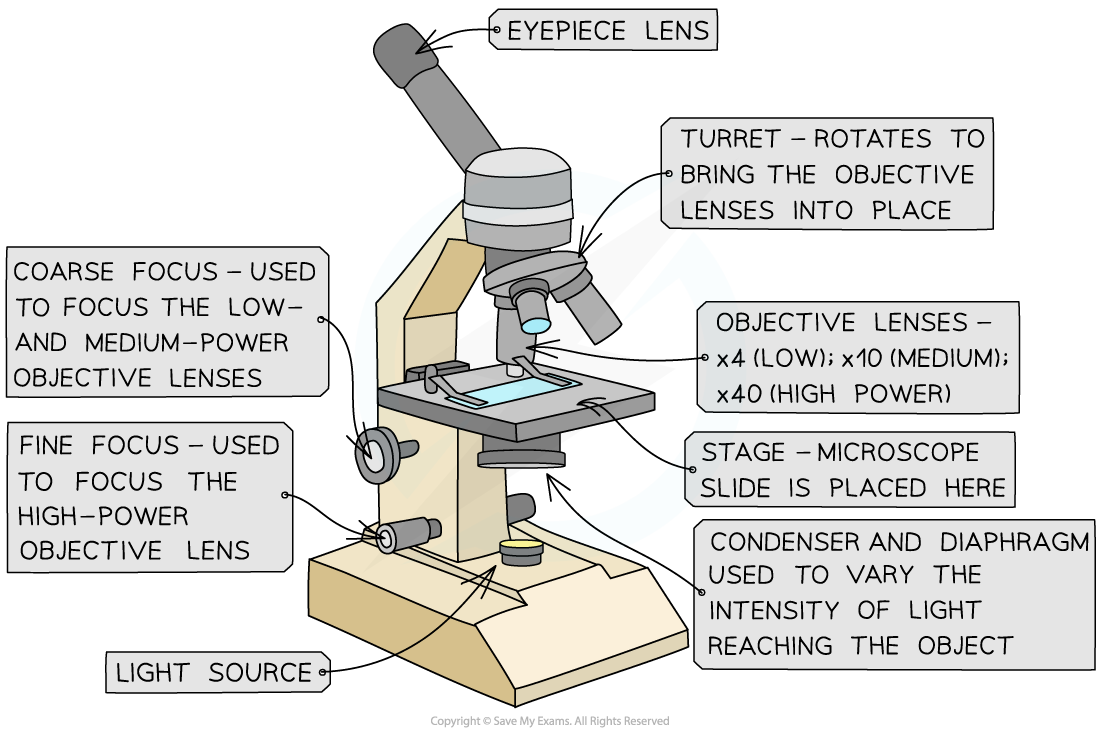
Practical 1: Using a Microscope Many biological structures are too small to be seen by the naked eye Optical (light) microscopes are an invaluable tool for scientists as they allow for tissues, cel...
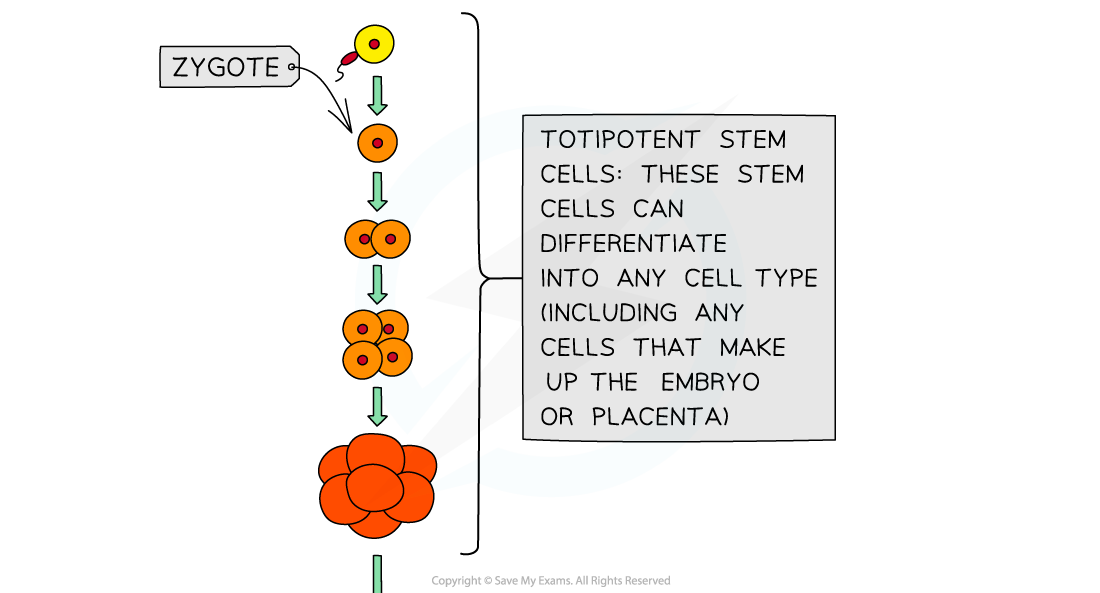
Stem Cells A?stem cell?is a cell that can?divide?(by mitosis) an?unlimited number of times Each new cell (produced when a stem cell divides) has the potential to?remain a stem cell?or to develop in...
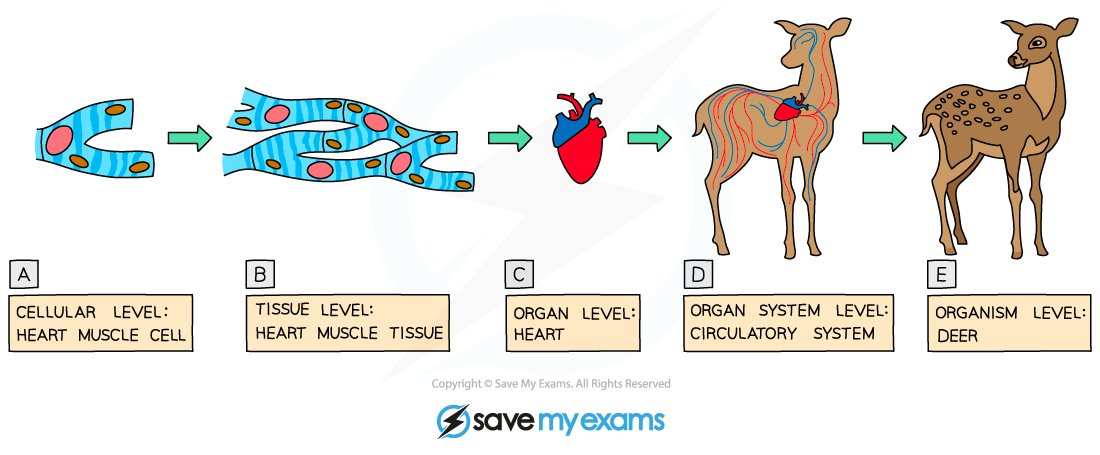
Emergent Properties Multicellular organisms are able to undertake functions that unicellular organisms cannot, e.g. move over vast distances and digest large macromolecules This is a result of prop...

新學期來了,相信又有一批新同學和家長開始接觸AP體系了。美國的AP課程大概有幾十門,國內開設的課程可能只有十幾門。也就是說,AP課程的選擇有一定限制。 同學們需要思考未來的專業意向。因為AP課程是比較靈活的...
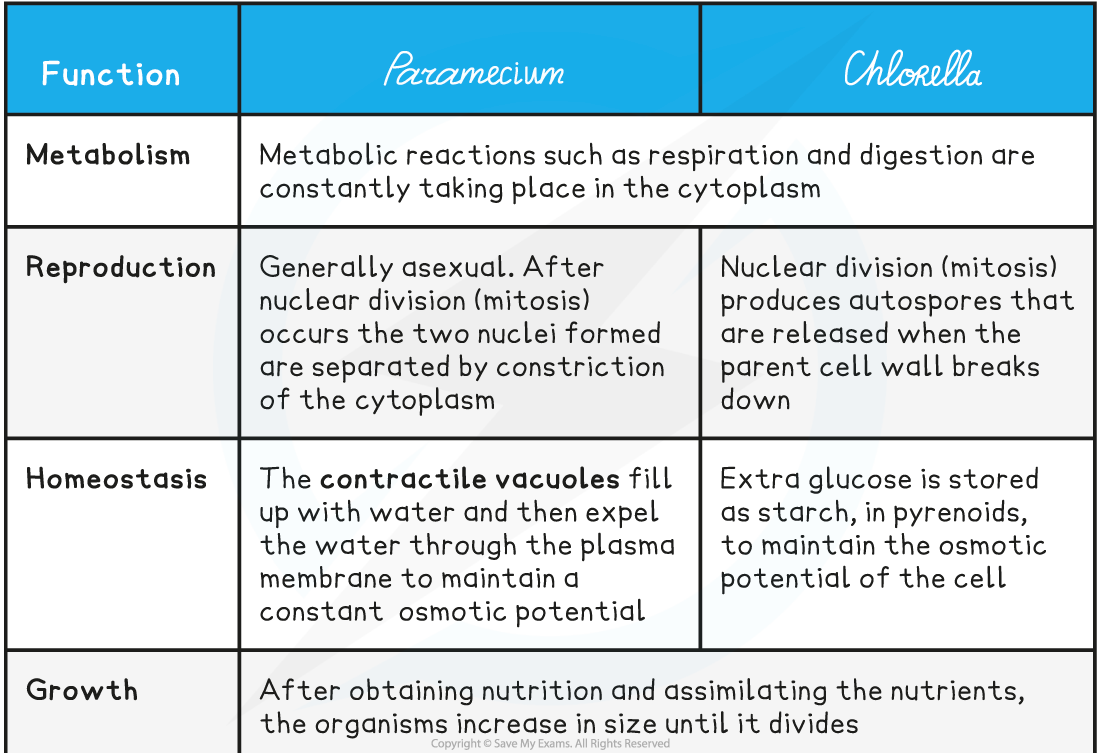
Functions of Life Unicellular (single-celled) and multicellular (many cells) organisms must carry out the following functions to stay alive: Metabolism - all the enzyme-catalysed reactions occurrin...

Cell Theory Until microscopes became powerful enough to view individual cells, no-one knew for certain what living organisms were made from A scientist called?Robert Hooke?came up with the term "ce...
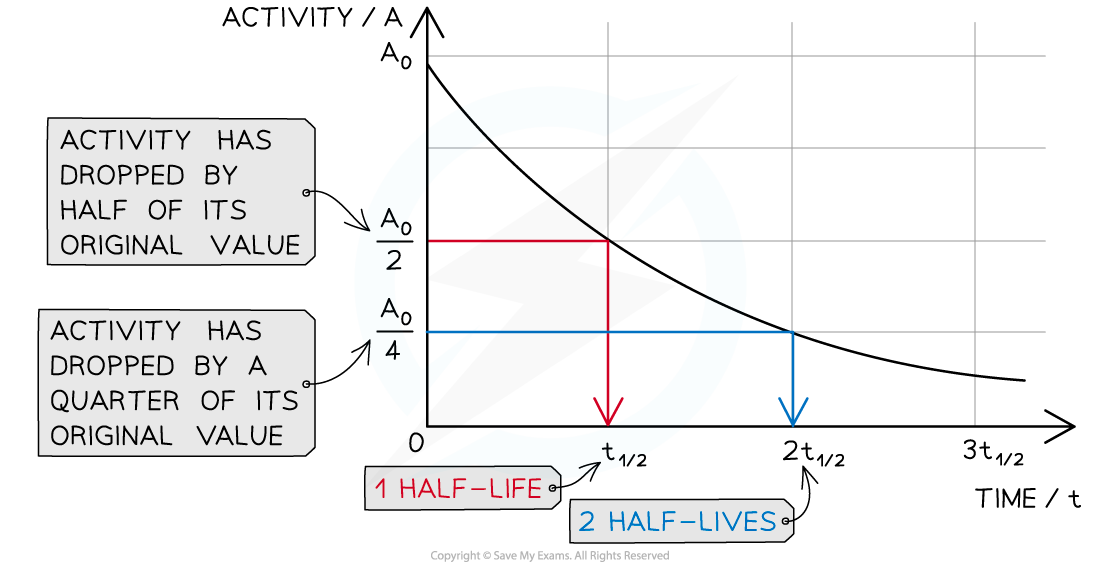
Measuring Half-Life Half-life is defined as: The time taken for the initial number of nuclei to halve for a particular isotope This means when a time equal to the half-life has passed, the?activity...

The Law of Radioactive Decay Since radioactive decay is spontaneous and random, it is useful to consider the average number of nuclei which are expected to decay per unit of time This is known as t...
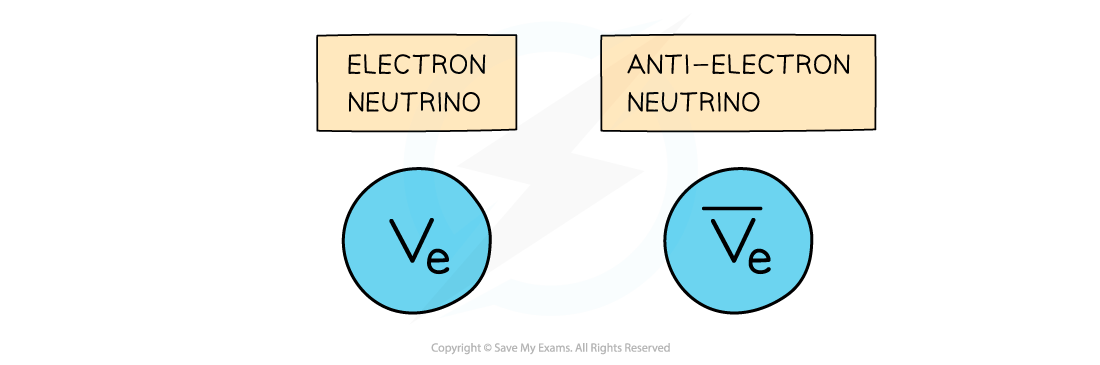
The Neutrino An electron neutrino is a type of subatomic particle with no charge and negligible mass which is also emitted from the nucleus The anti-neutrino is the antiparticle of a neutrino Elect...





