IB DP Chemistry: SL復習筆記4.1.5 Bond Polarity
Bond Polarity When two atoms in a covalent bond have the?same electronegativity?the covalent bond is?nonpolar The two chlorine atoms have identical electronegativities so the bonding electrons are ...

Bond Polarity When two atoms in a covalent bond have the?same electronegativity?the covalent bond is?nonpolar The two chlorine atoms have identical electronegativities so the bonding electrons are ...
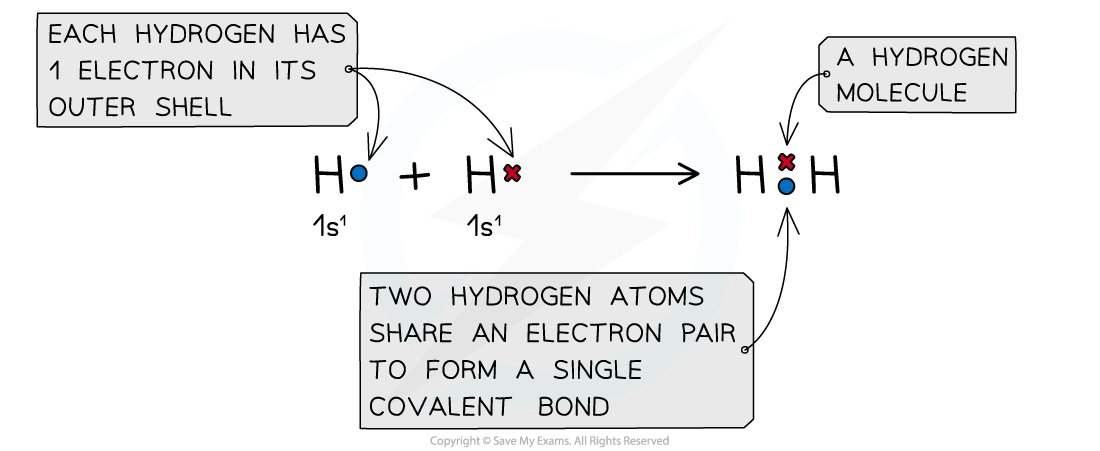
Covalent Bonds Covalent?bonding occurs between two?non-metals A covalent bond involves the?electrostatic?attraction?between nuclei of two atoms and the electrons of their outer shells No?electrons?...
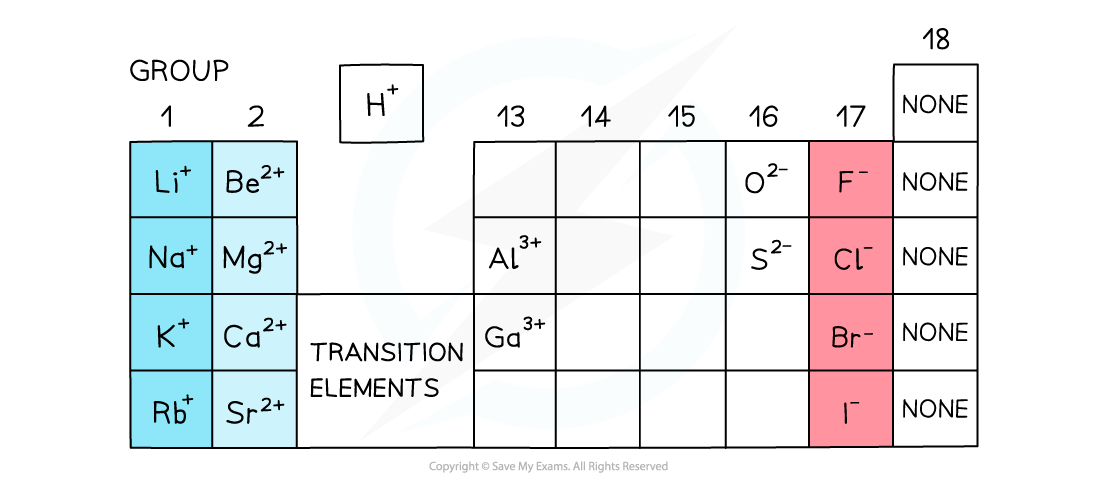
Formulae & Names of Ionic Compounds Ionic?compounds?are formed from a?metal?and a?nonmetal?bonded together Ionic compounds are electrically neutral; the positive charges equal the negative char...
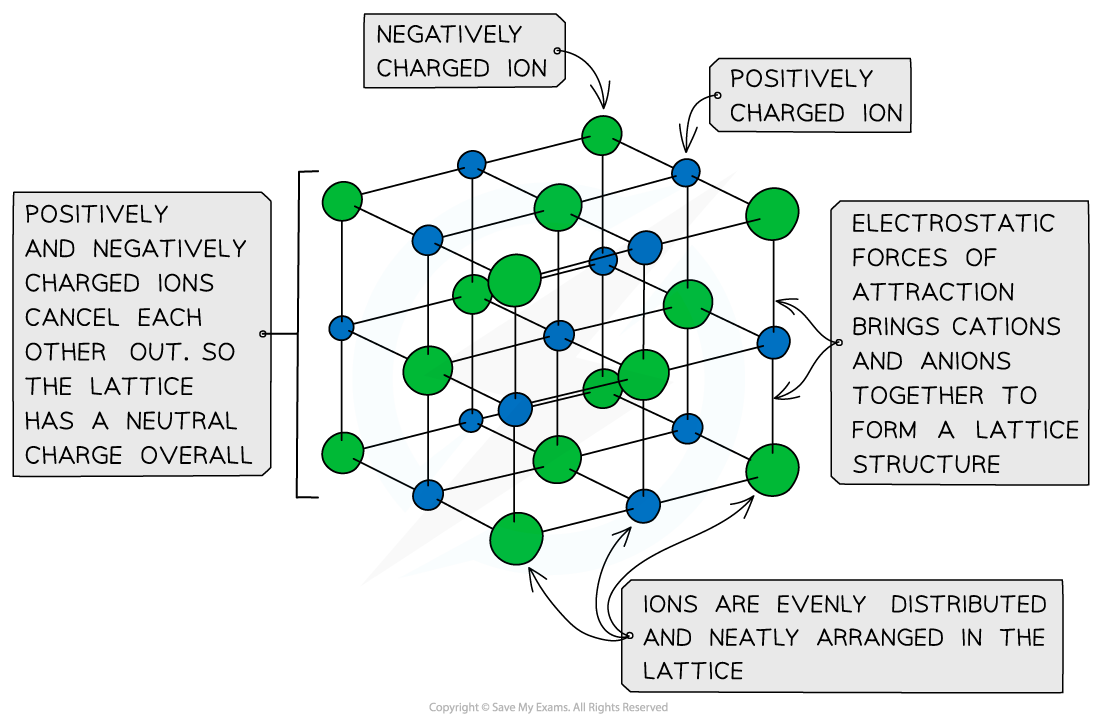
Ionic Lattices The ions form a?lattice?structure?which is an evenly distributed?crystalline?structure Ions in a lattice are arranged in a?regular?repeating?pattern?so that positive charges cancel o...
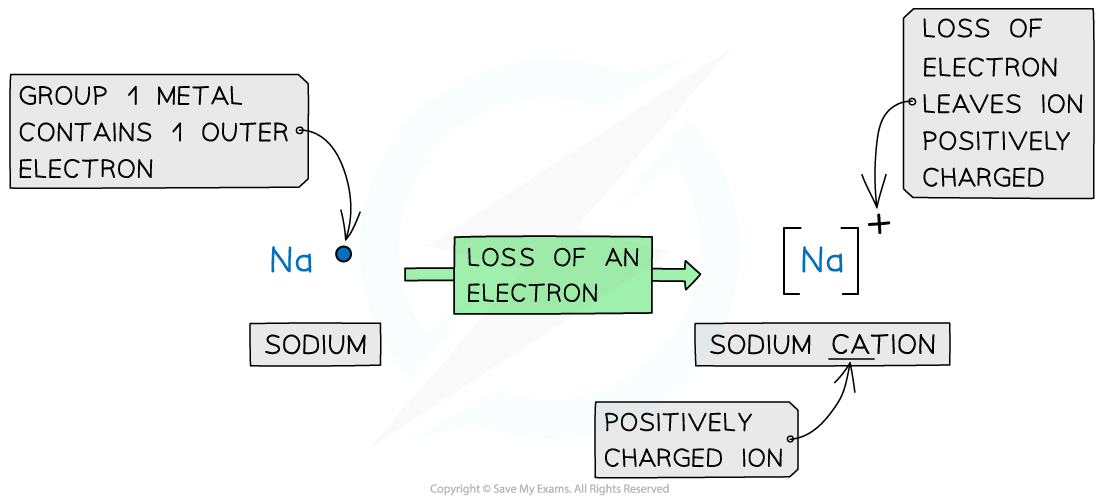
Forming Ions As a general rule,?metals?are on the?left?of the Periodic Table and?non-metals?are on the?right-hand?side Ionic?bonds?involve the?transfer?of electrons from a?metallic?element to a?non...
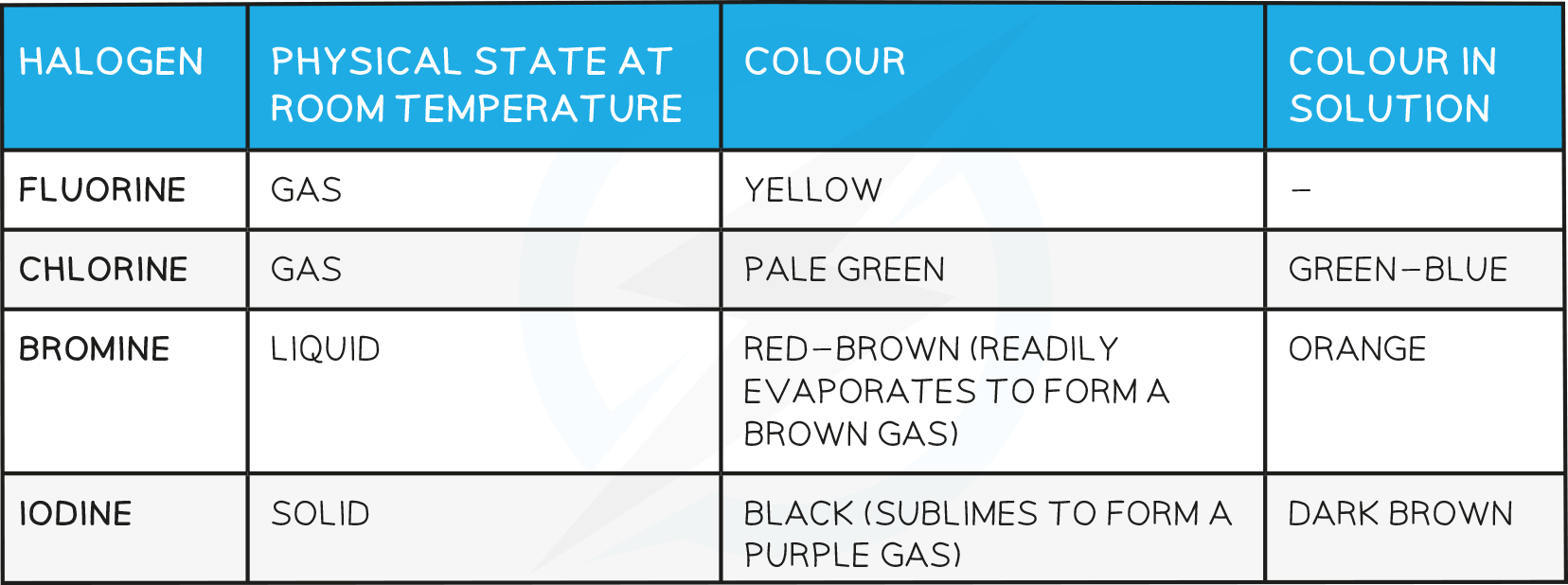
Halogens The halogens These are the group 17 non-metals that are?poisonous?and include fluorine, chlorine, bromine, iodine and astatine Halogens are?diatomic, meaning they form molecules of?two?ato...
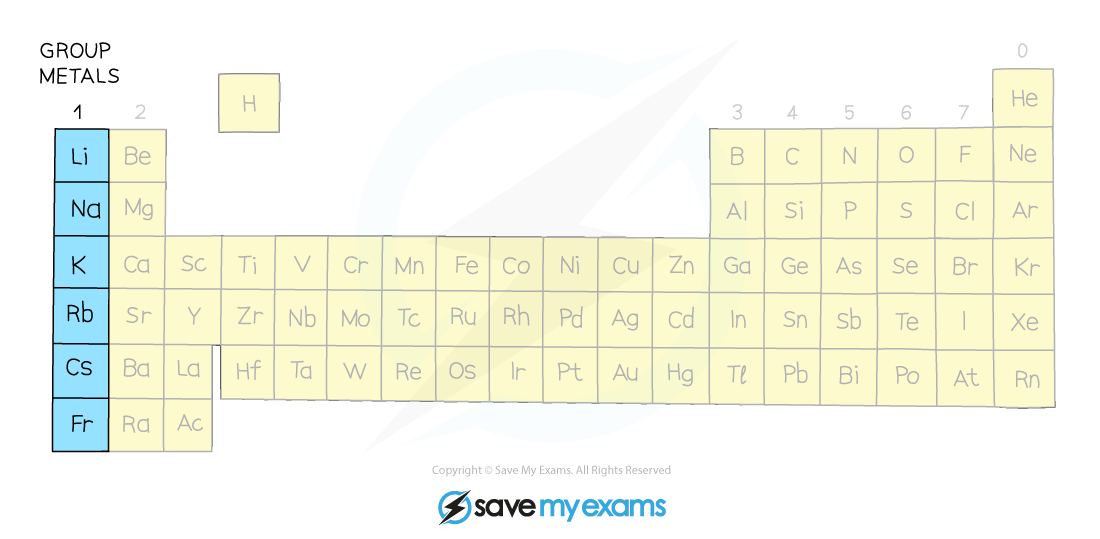
Alkali Metals The group 1 metals The group 1 metals are called the?alkali metals?because they form?alkaline solutions?with high pH values when reacted with water Group 1 metals are lithium, sodium,...
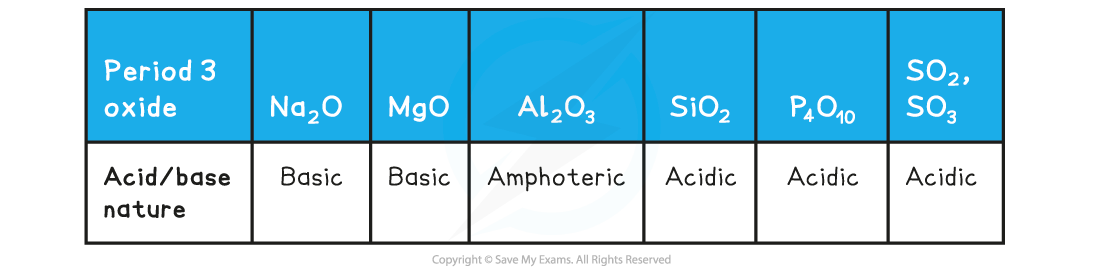
Oxides Oxides across a period The?acid-base?character of the oxides provides evidence of chemical trends in the periodic table The broad trend is that oxides change from?basic?through?amphoteric?to...
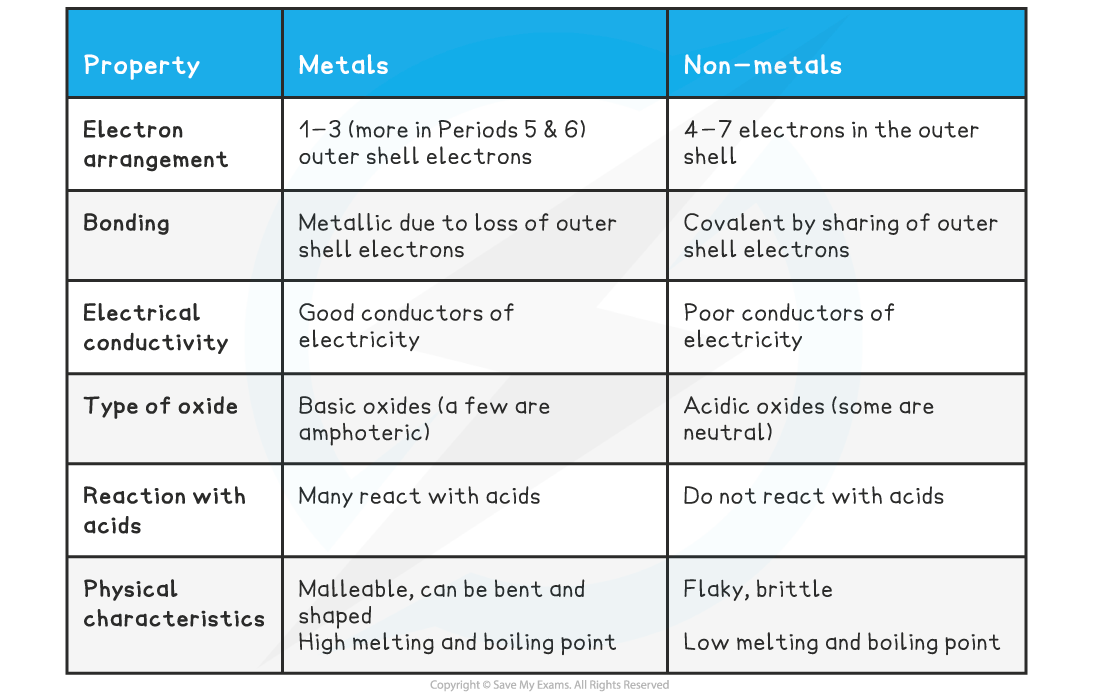
Metallic & Non-metallic Periodic trends can also be seen in the typical properties of metals and non-metals which are summarised below: The typical properties of metals and non-metals The typic...
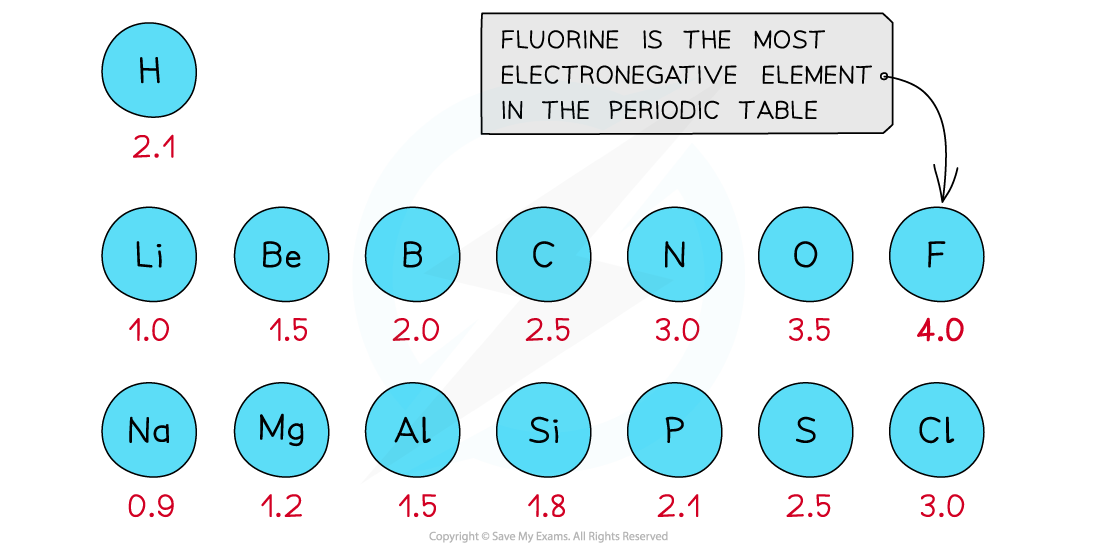
Electronegativity: Definition Electronegativity?is the ability of an atom to attract a pair of electrons towards itself in a covalent bond This phenomenon arises from the?positive?nucleus’s ability...

Electron Affinity When atoms gain electrons they become negative ions or?anions Electron affinity (EA)?can be thought of as the opposite process of ionisation energy and is defined as The amount of...

First Ionisation Energy The?ionisation?energy?(IE) of an element is the amount of energy required to remove?one mole?of electrons from?one mole?of atoms of an element in the gaseous state to form?o...





