IB DP Chemistry: SL復習筆記2.1.5 Emission Spectra
Emission Spectra Electrons move rapidly around the nucleus in energy shells If their energy is increased, then they can jump to a higher energy level The process is reversible, so electrons can ret...
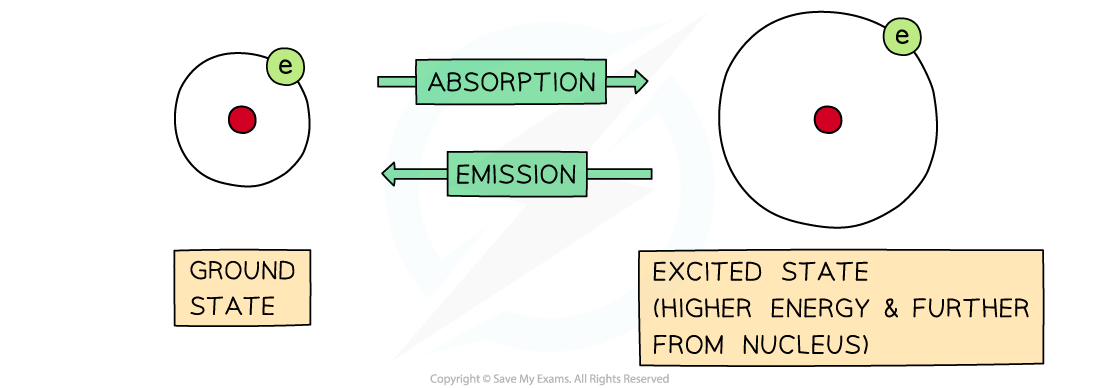
Emission Spectra Electrons move rapidly around the nucleus in energy shells If their energy is increased, then they can jump to a higher energy level The process is reversible, so electrons can ret...
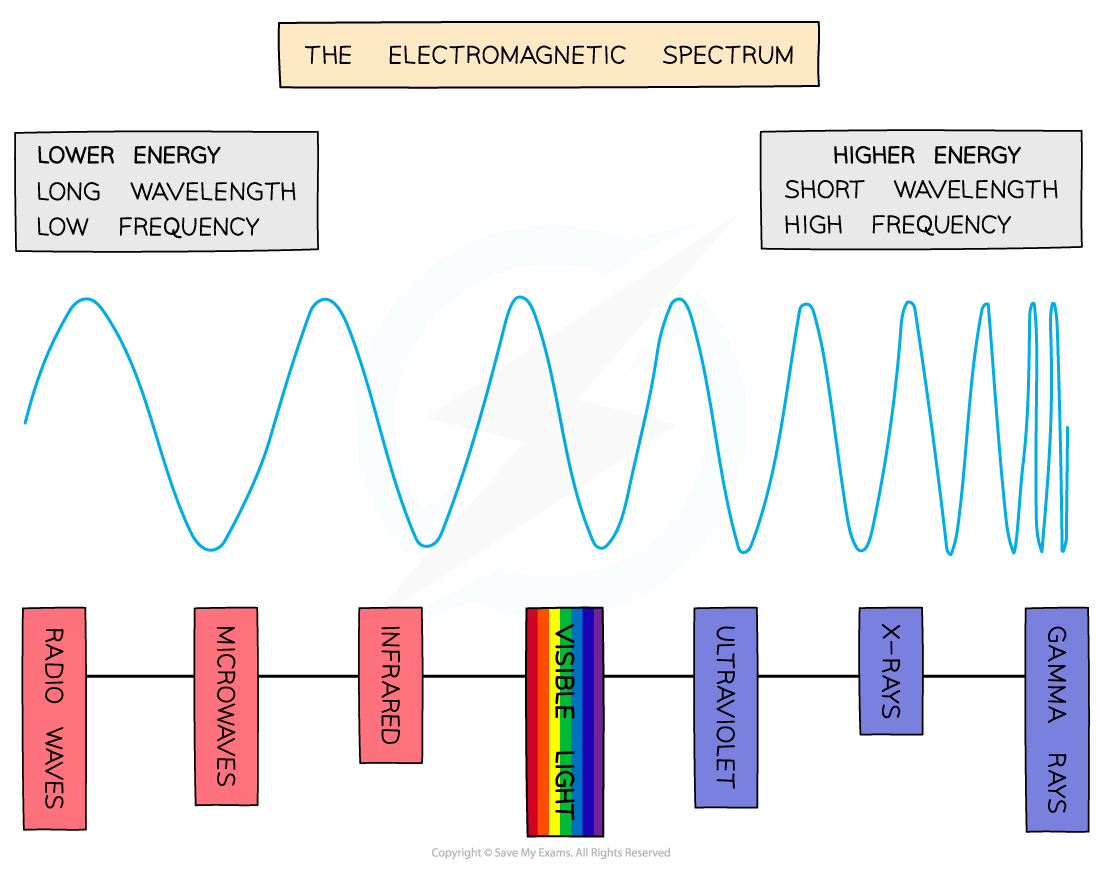
The Electromagnetic Spectrum The?electromagnetic spectrum?is a range of?frequencies?that covers all electromagnetic radiation and their respective?wavelengths?and?energy It is divided into bands or...

Relative Atomic Mass Calculations Isotopes?are different atoms of the?same?element?that contain the?same number of protons?and electrons but a?different number of neutrons These are atoms of the sa...
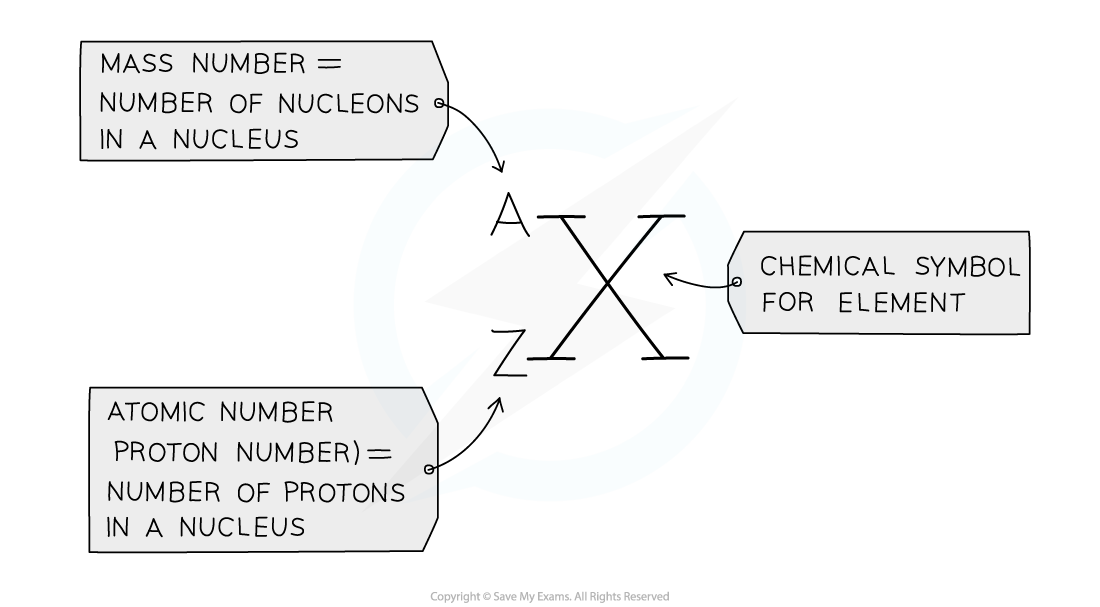
Atoms: Key Terms The?atomic number?(or?proton number) is the number of protons in the nucleus of an atom and has the?symbol?Z The atomic number is also equal to the number of electrons that are pre...
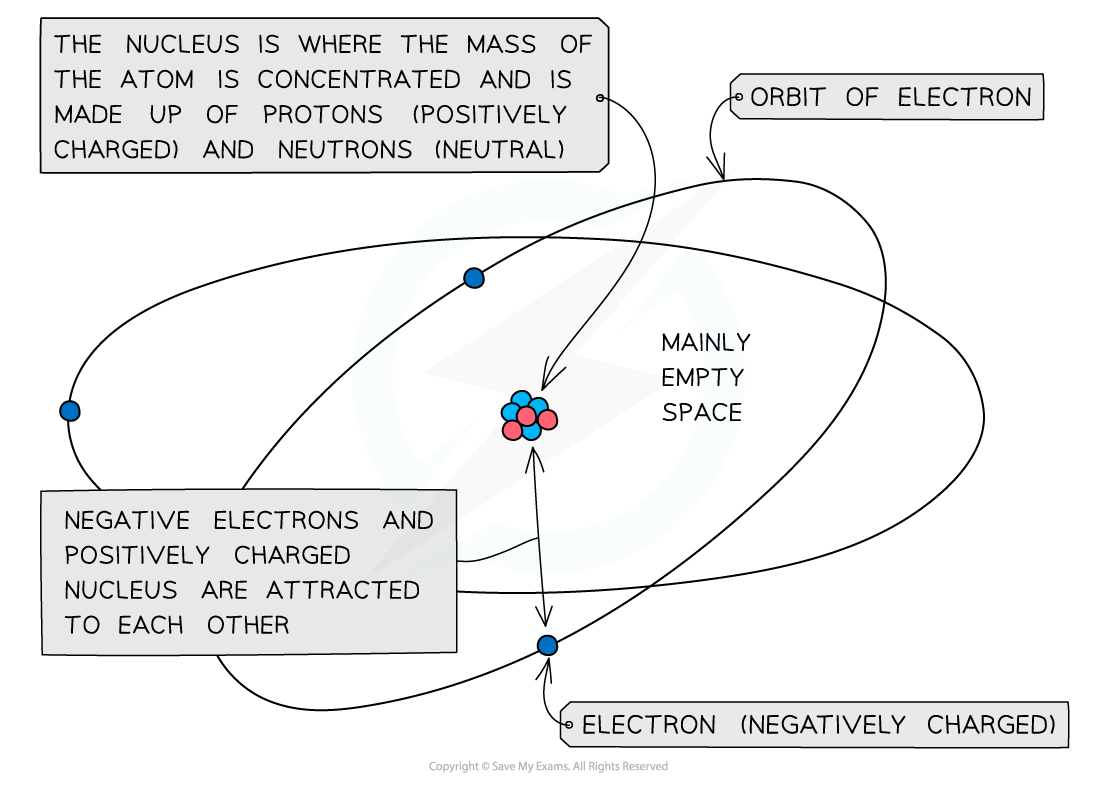
Mass & Charge Distribution The mass of an atom is?concentrated?in the nucleus, because the nucleus contains the heaviest subatomic particles (the neutrons and protons) The mass of the electron ...
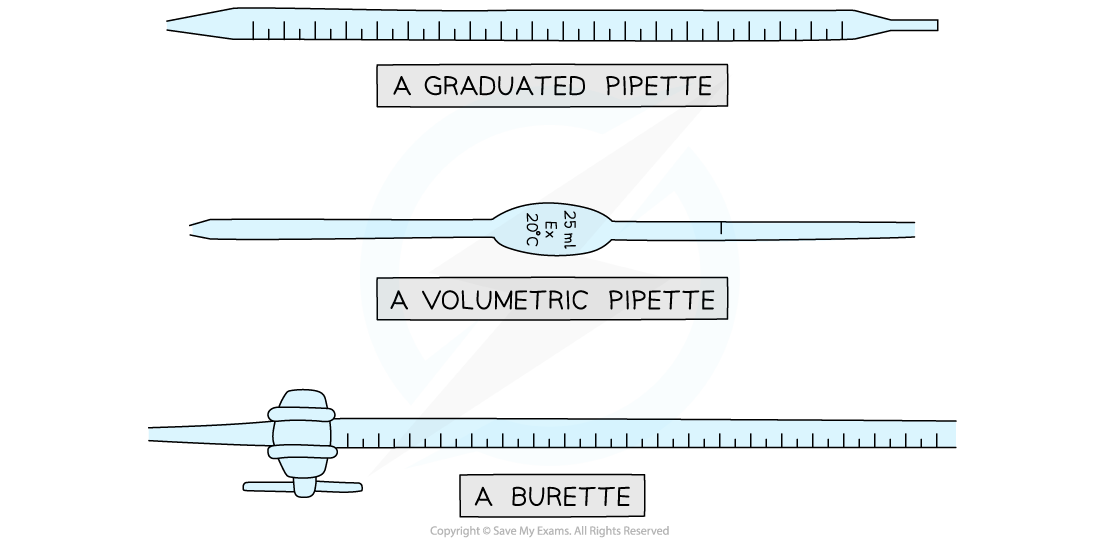
Titrations Volumetric analysis?is a process that uses the volume and concentration of one chemical reactant (a standard solution) to determine the concentration of another unknown solution The tech...

Concentration Calculations Step by step Concentration calculations involve bringing together the skills and knowledge you have acquired previously and applying them to problem solving You should be...
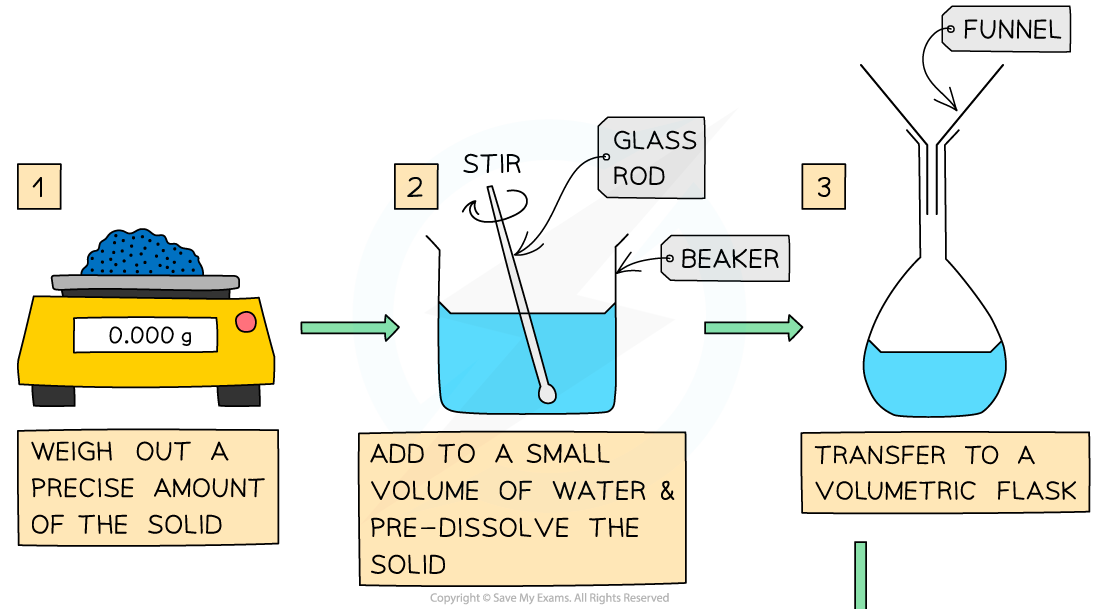
Concentrations of Solutions Standard solutions Chemists routinely prepare solutions needed for analysis, whose concentrations are known precisely These solutions are termed?standard solutions They ...

Real Gas Behaviour The?ideal gas equation?does not fit all measurements and observations taken at all conditions with real gases The relationship between pressure, volume and temperature shows sign...





