Edexcel A Level Chemistry:復習筆記6.1.7 Storage Cells
Storage Cells Electrochemical cells can be used as a commercial source of electrical energy Cells can be described as?primary, secondary?or?fuel cells Primary cells are?non-rechargeable?(irr...
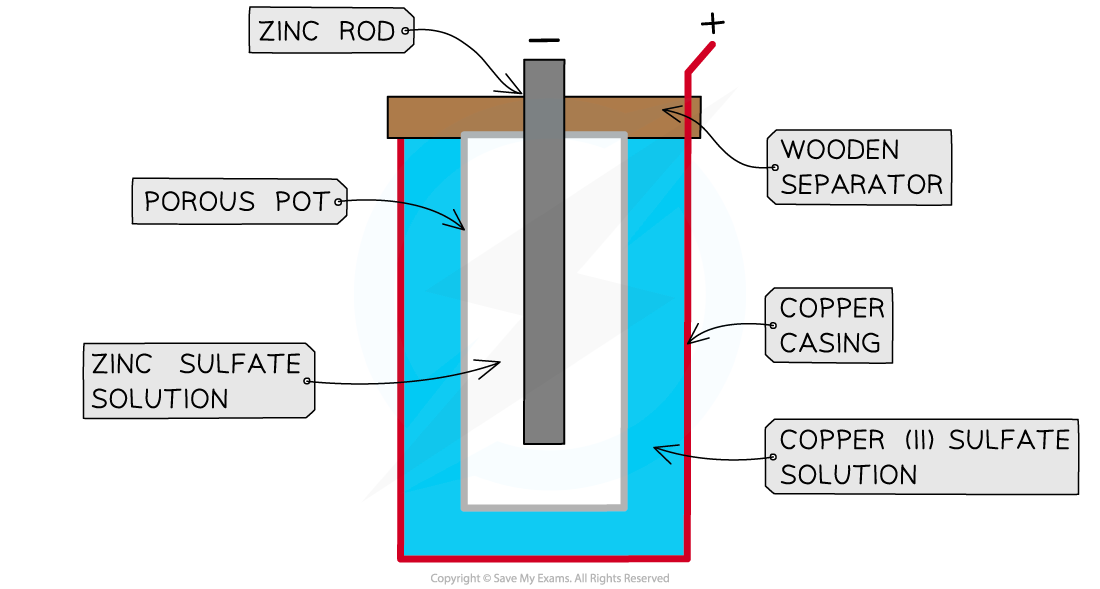
Storage Cells Electrochemical cells can be used as a commercial source of electrical energy Cells can be described as?primary, secondary?or?fuel cells Primary cells are?non-rechargeable?(irr...

Disproportionation & Electrode Potential A?disproportionation?reaction is where one element in a chemical is simultaneously reduced and oxidised, e.g. 2Cu+?(aq) → Cu2+?(aq) + Cu (s) Stan...
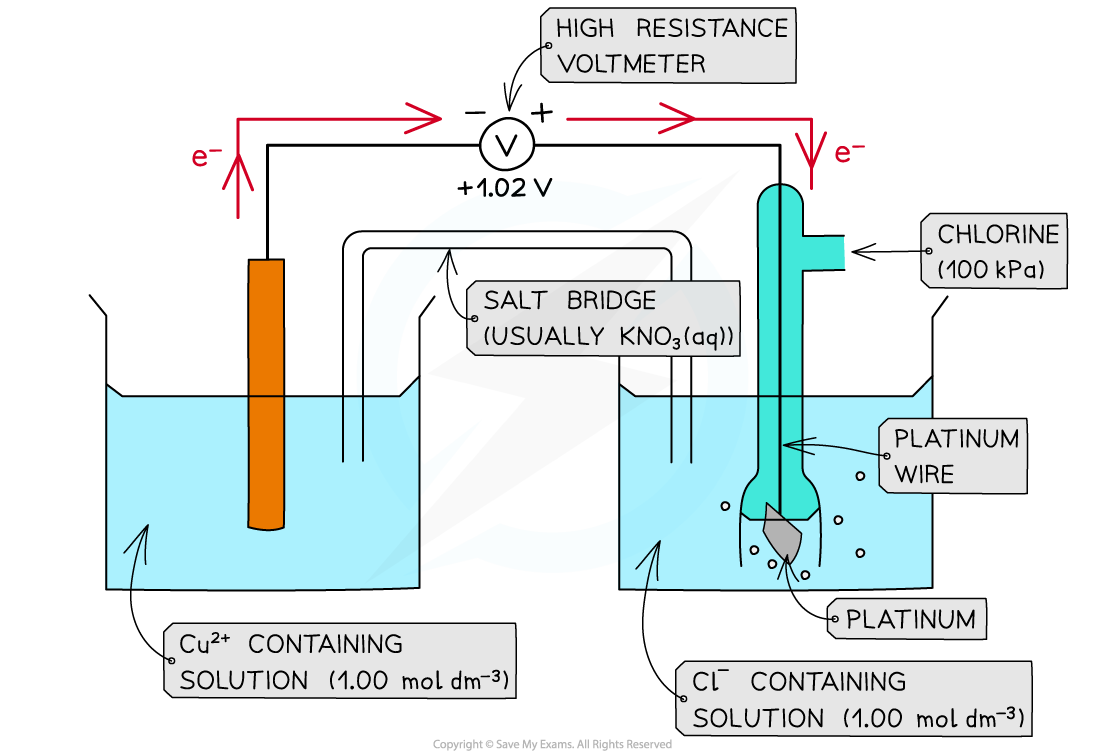
Thermodynamic Feasibility Feasibility The?E??values of a species indicate how?easily?they can get?oxidised?or?reduced The?more?positive the value, the easier it is to reduce the species on t...
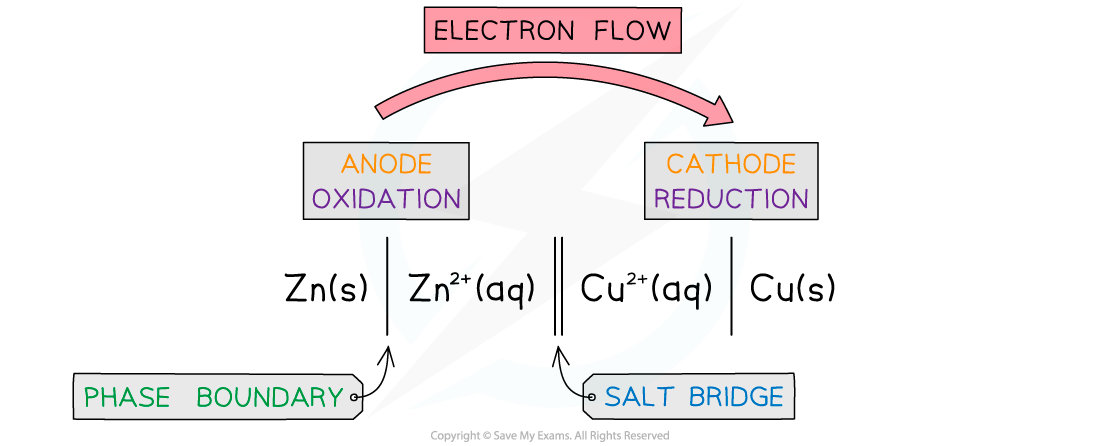
Conventional Cell Representation Conventional Representation of Cells As it is cumbersome and time-consuming to draw out every electrochemical cell in full, a system of notation is used whic...
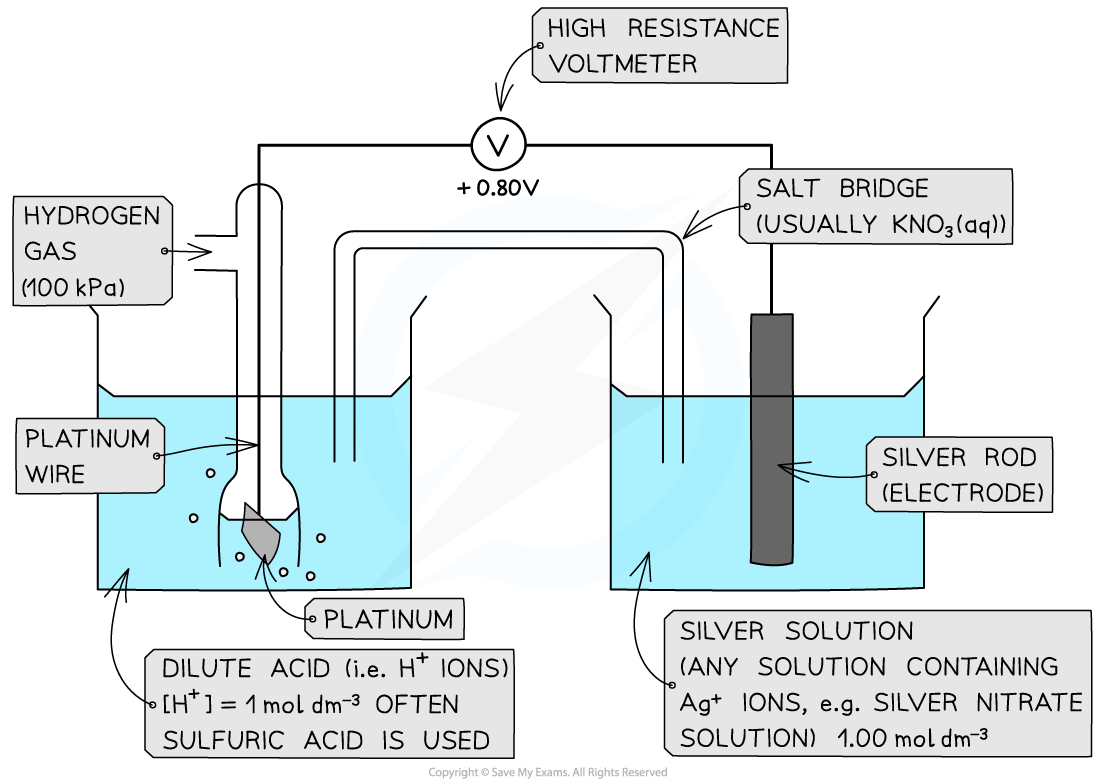
Measuring Standard Electrode Potential There are three different types of half-cells that can be connected to a standard hydrogen electrode to measure standard electrode potential A metal / ...
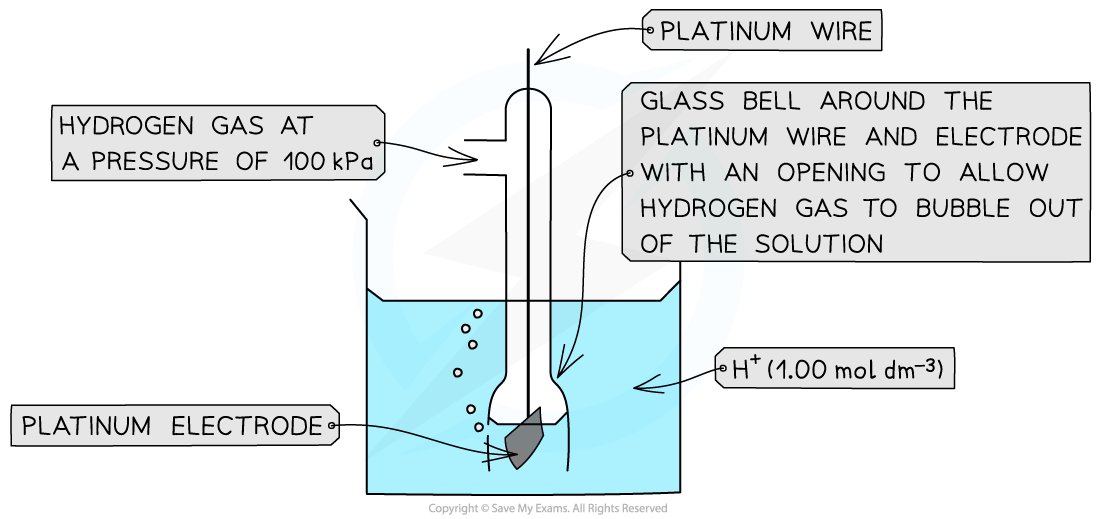
Standard Electrode Potentials Standard electrode potential The position of equilibrium and therefore the electrode potential depends on factors such as: Temperature Pressure of gases Concent...
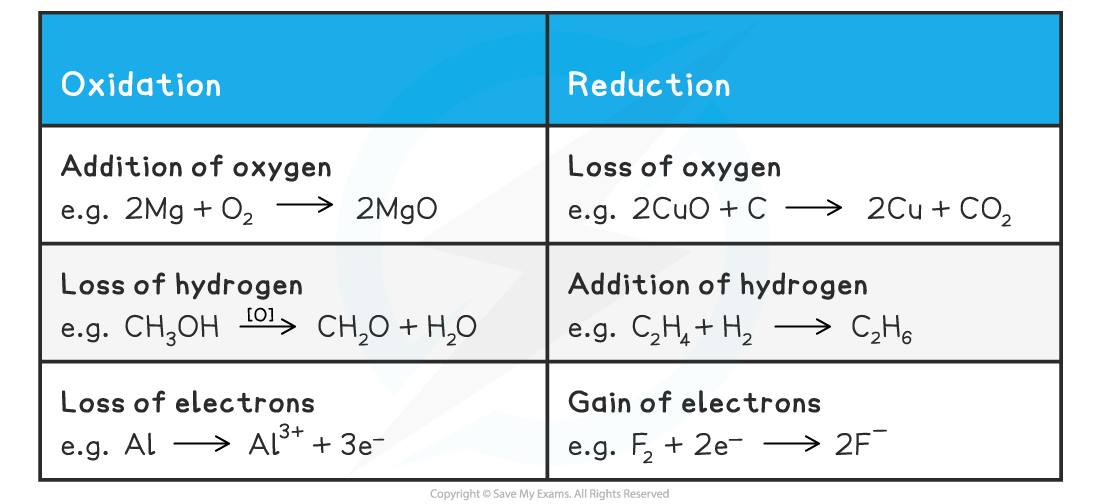
Reduction & Oxidation To recap, there are three definitions of?oxidation?and?reduction? used in different branches of chemistry Oxidation?and?reduction?can be used to describe any of the...
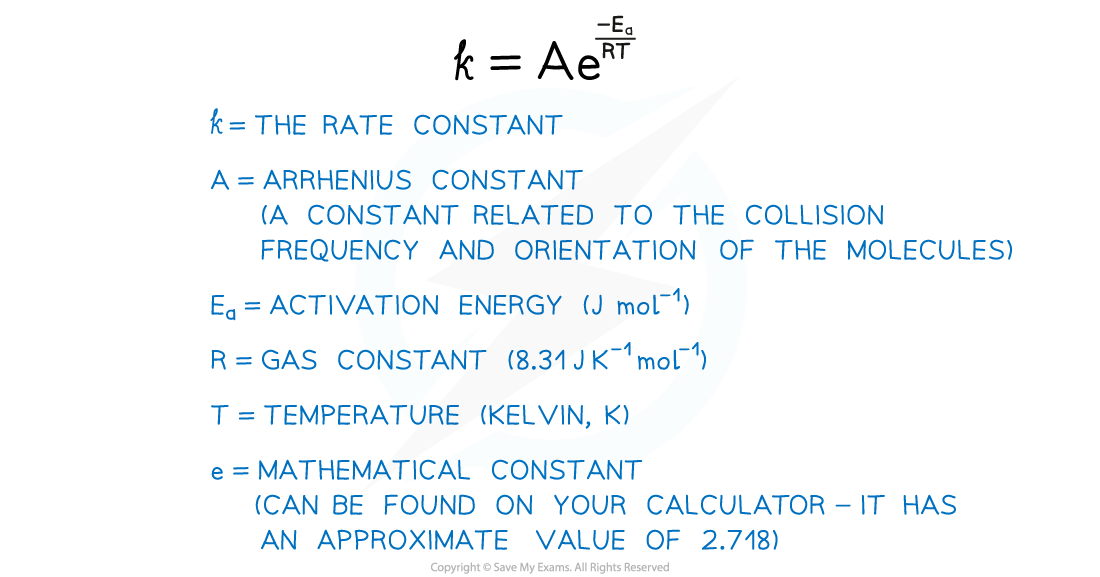
Arrhenius & Activation Energy The rate equation shows how each of the reactants in a reaction effects the rate of the reaction and it includes the rate constant,?k However,?k?only remain...

Deducing Reaction Mechanisms Chemical kinetics can only?suggest?a reaction mechanism, they cannot prove it However, they can be used to disprove a proposed mechanism Elementary steps ...





