Edexcel A Level Chemistry:復習筆記1.1.4 Mass Spectrometry
Interpreting Mass Spectra Isotopes are different atoms of the same element that contain the same number of protons and electrons but a different number of neutrons These are atoms of the sam...

Interpreting Mass Spectra Isotopes are different atoms of the same element that contain the same number of protons and electrons but a different number of neutrons These are atoms of the sam...
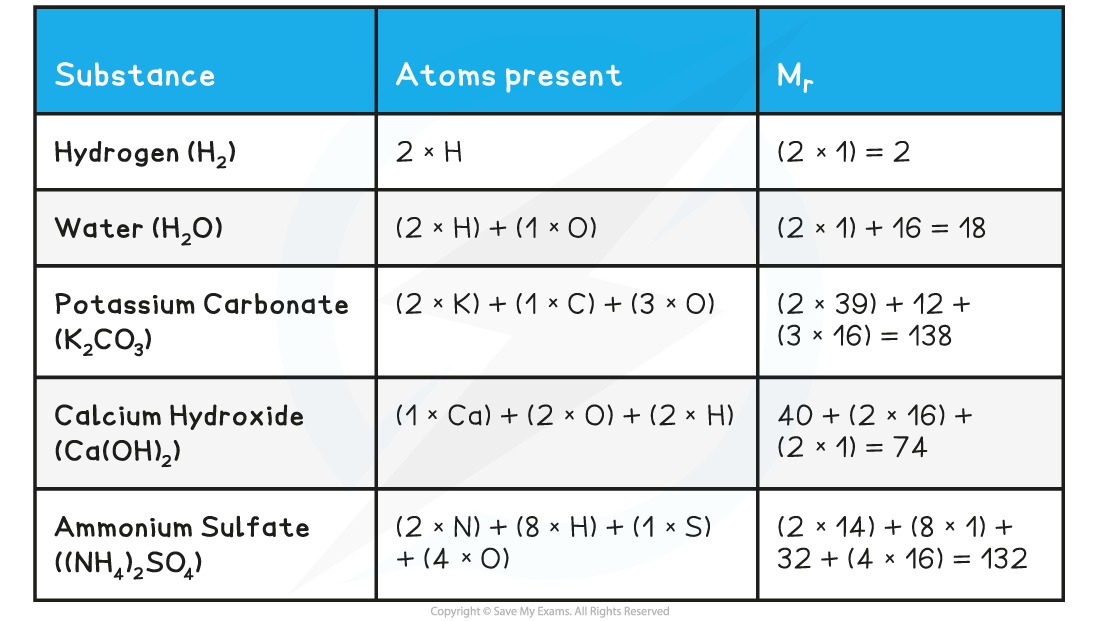
Isotopic & Atomic Mass The relative mass of an atom uses the carbon-12 isotope as the international standard One atom of carbon-12 has an accepted mass of 1.992646538 x 10⁻²⁶?kg It is not reali...
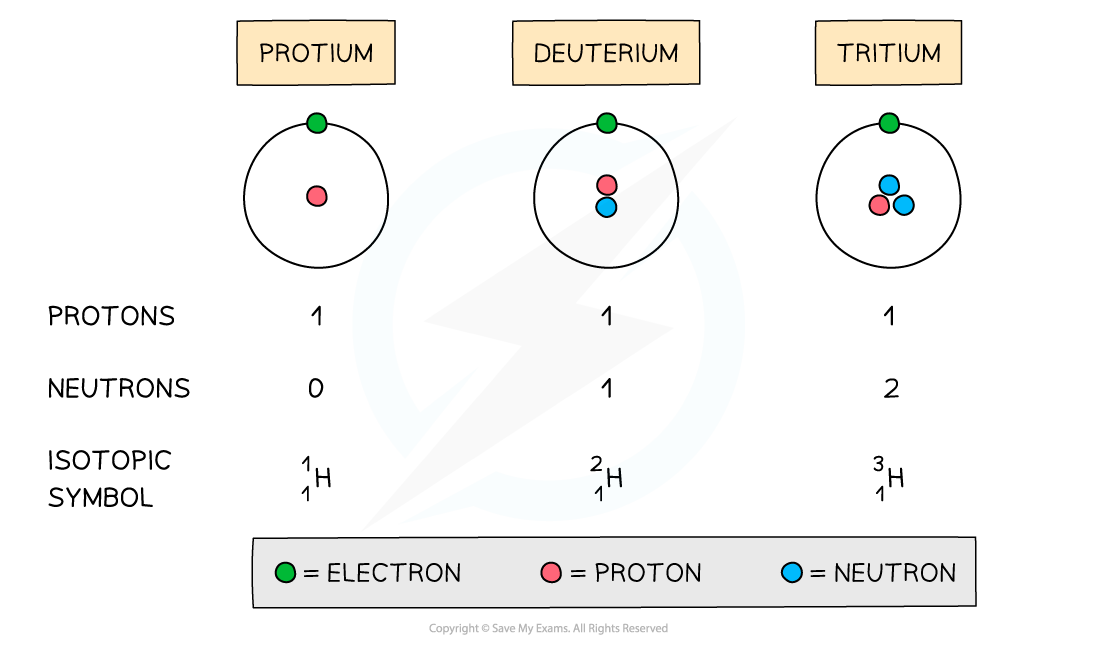
Atomic Structure Calculations An atom is?neutral?and has no overall charge Ions on the other hand are formed when atoms either?gain?or?lose?electrons, causing them to become?charged The numb...
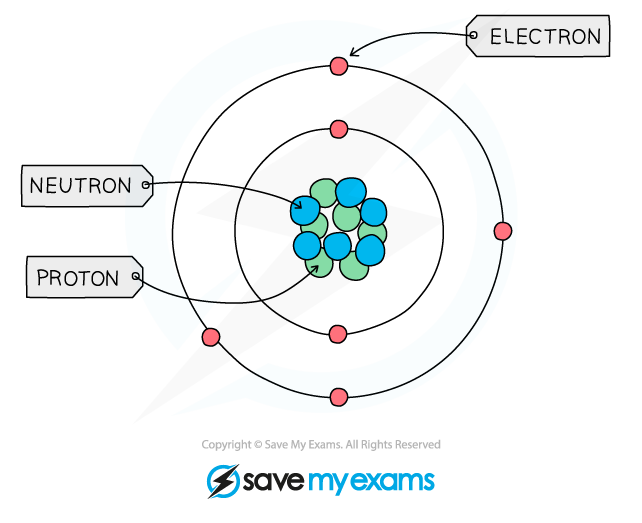
Structure of the Atom All matter is composed of?atoms, which are the smallest parts of an element that can take place in?chemical reactions Atoms are mostly made up of?empty?space?around a v...

Square Roots of a Complex Number - Advanced Previously we looked at how to find the square roots of a complex number in Cartesian form (a+bi). We can also find square roots using polar ?and ...

Geometry of Complex Multiplication & Division You now know how conjugation, addition and subtraction affect the geometry of complex numbers on an Argand diagram. Now we can look at the e...

Exponential Form of Complex Numbers You now know how to do lots of operations with complex numbers: add, subtract, multiply, divide, raise to a power and even square root. The last operation...

Inequalities & Regions in Argand Diagrams How do I sketch inequalities such as or on an Argand diagram? The inequality is satisfied by all complex numbers,, with a real part less than 2 ...

Loci in Argand Diagrams How do I sketch the locus of or?on an Argand diagram? All complex numbers,, that satisfy the equation lie on a vertical line with Cartesian equation Any complex number along...





