Edexcel A Level Chemistry:復習筆記1.5.5 Metallic Bonding
Metallic Bonding Metal?atoms are tightly packed together in?lattice?structures When the metal atoms are in lattice structures, the electrons in their outer shells are free to move throughout...
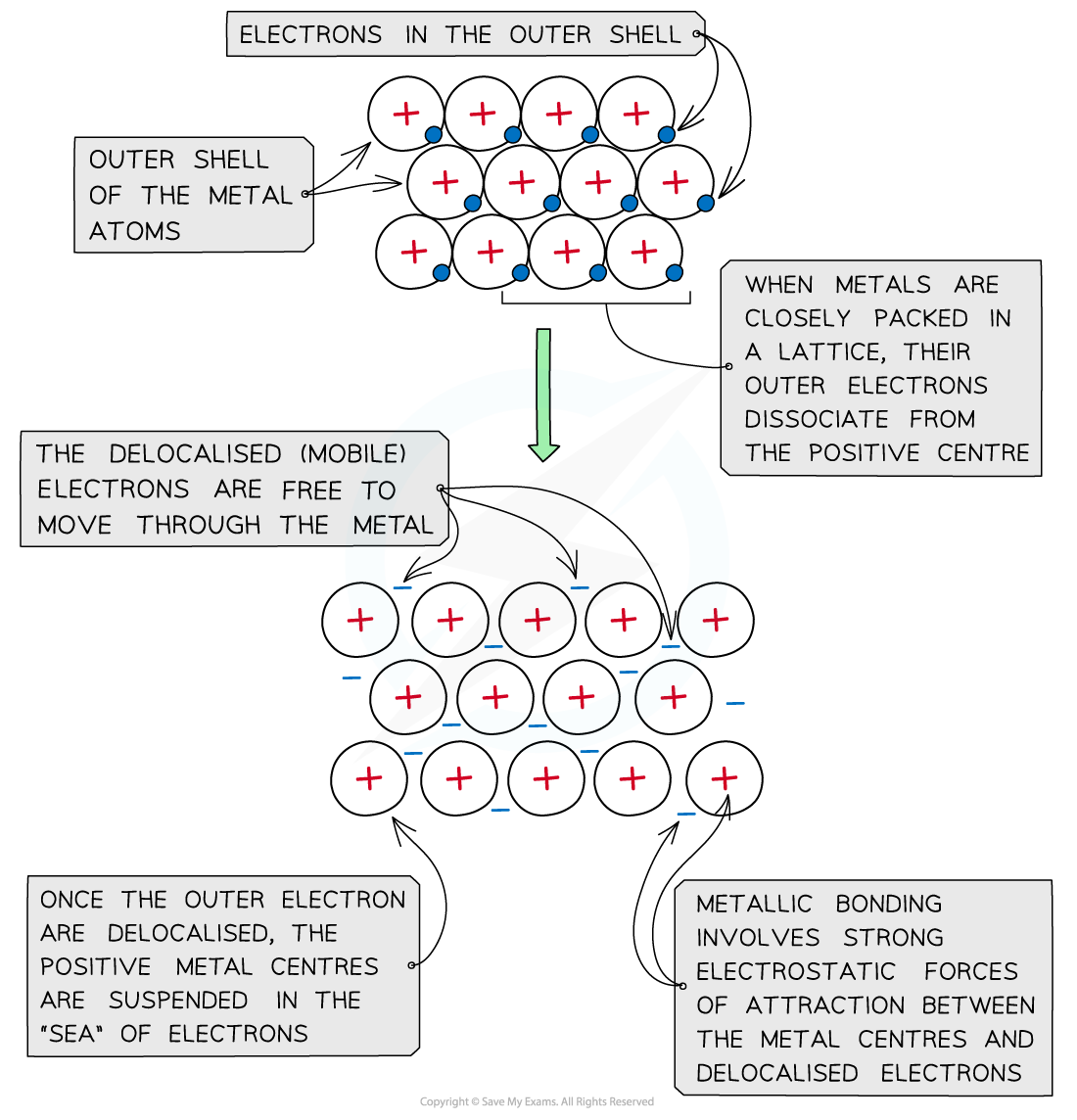
Metallic Bonding Metal?atoms are tightly packed together in?lattice?structures When the metal atoms are in lattice structures, the electrons in their outer shells are free to move throughout...
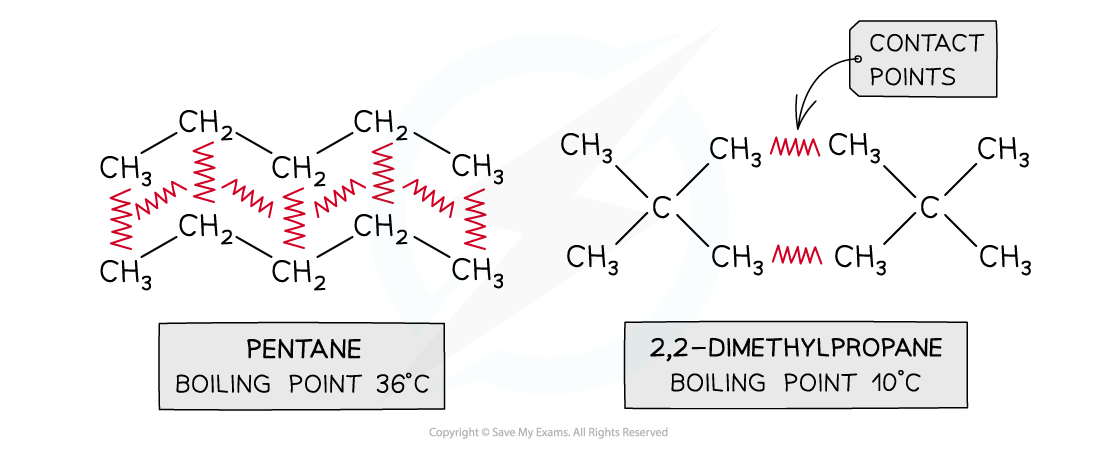
Intermolecular Forces & Physical Properties Branching The larger the surface area of a molecule, the more contact it will have with adjacent molecules The surface area of a molecule is?r...
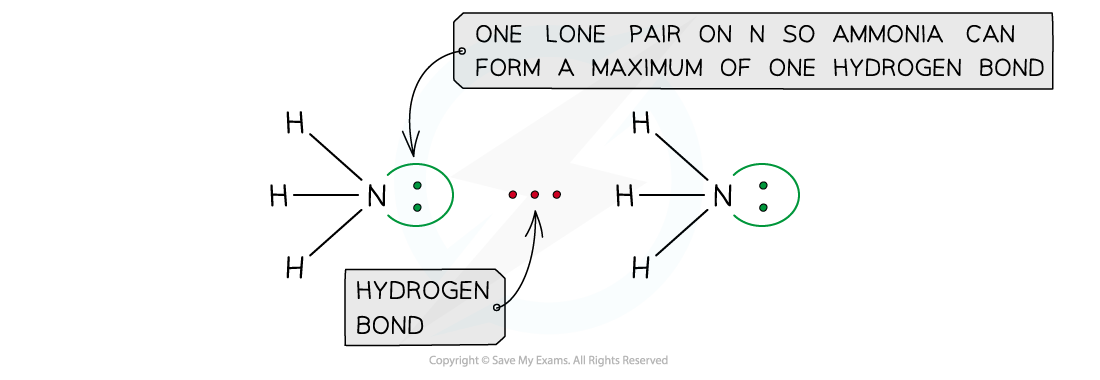
Hydrogen Bonding Interactions Examples of compounds that can form hydrogen bonds are: Alcohols (contains an O-H bond) Ammonia (contains an N-H bond) Amines (contains an N-H bond) Carboxylic ...
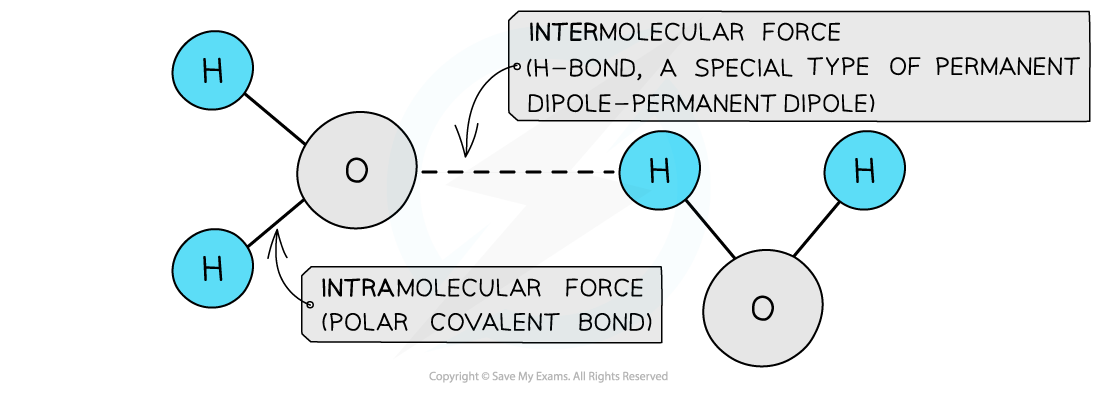
Intermolecular Forces Intramolecular forces Intramolecular forces?are forces?within?a molecule and are usually covalent bonds Covalent bonds?are formed when the outer electrons of two atoms ...
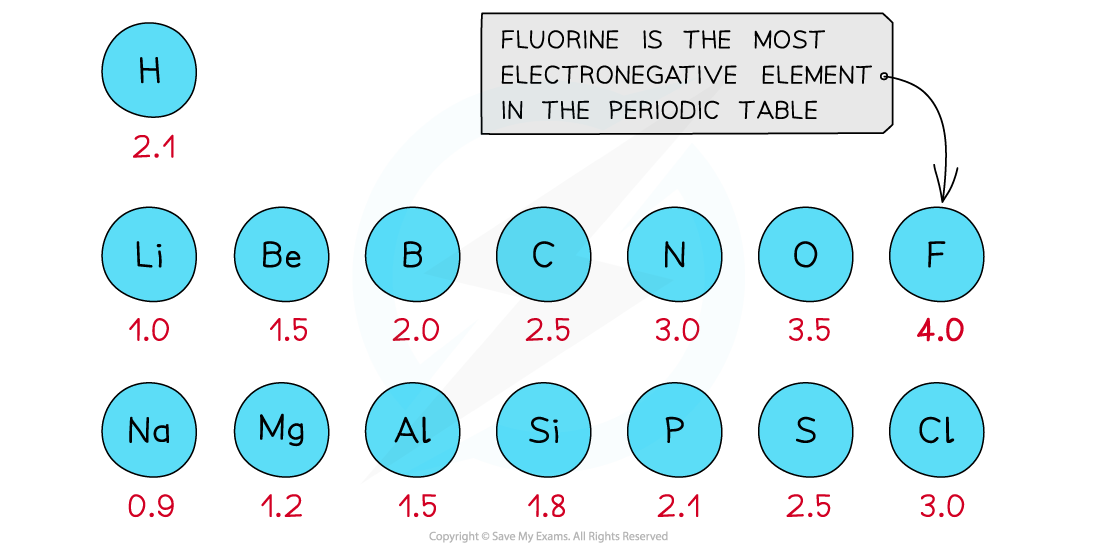
Defining Electronegativity Electronegativity?is the power of an atom to attract the pair of electrons in a covalent bond towards itself The electron distribution in a covalent bond between e...
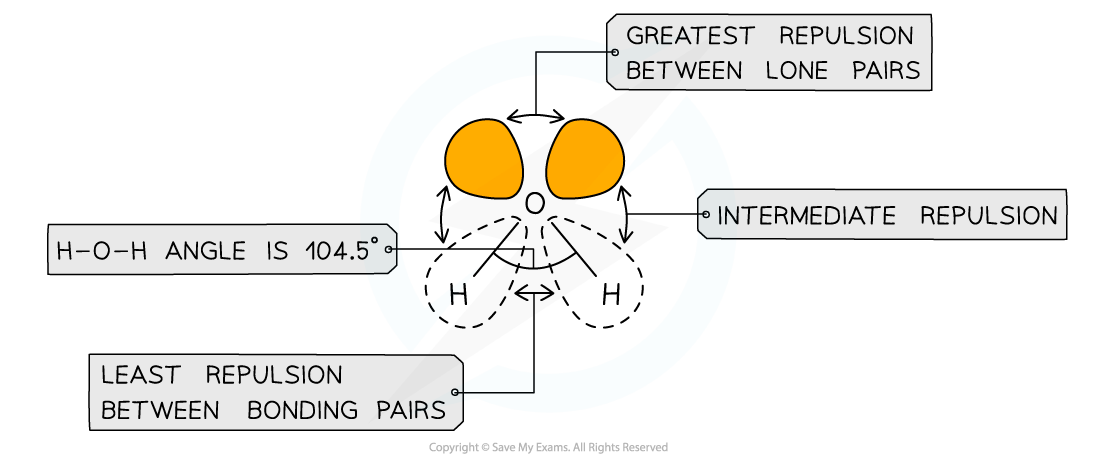
Electron Pair Repulsion & Shape The?valence shell electron pair repulsion theory?(VSEPR) predicts the shape and bond angles of molecules Electrons are?negatively charged?and will repel o...
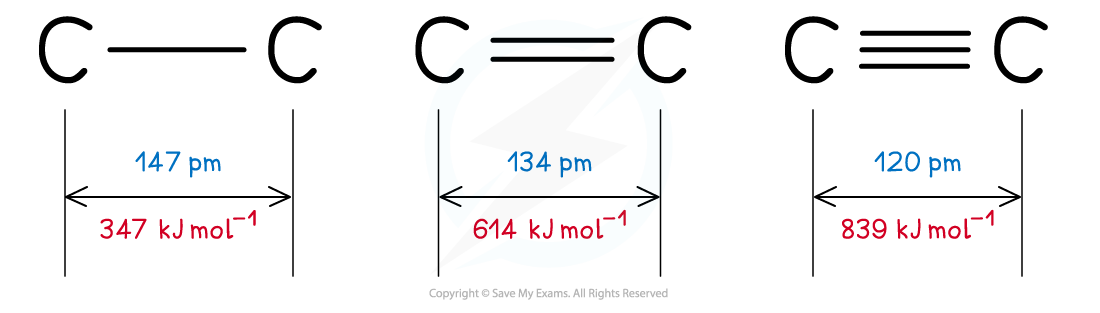
Bond Length & Bond Strength Bond energy The?bond energy?is the energy required to?break?one mole of a particular covalent bond in the gaseous states Bond energy has units of kJ mol-1 &nb...
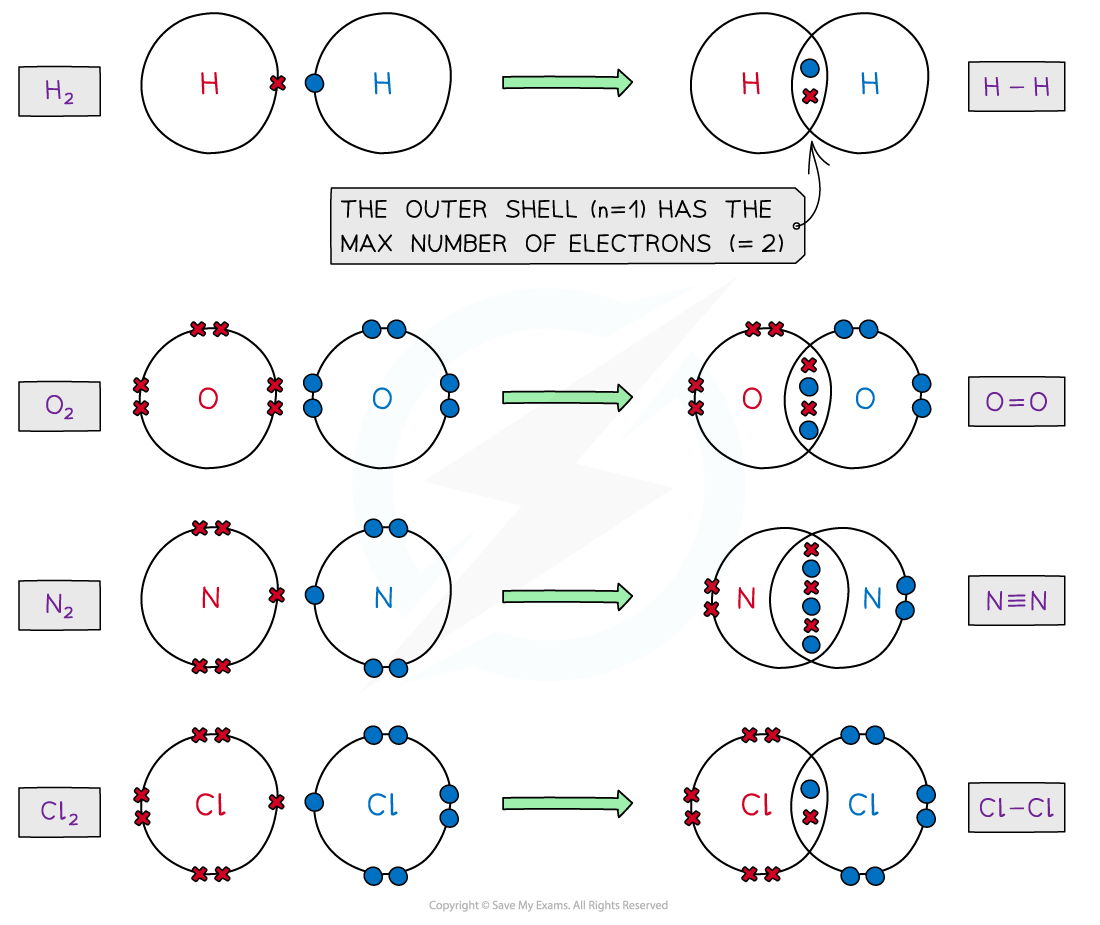
Covalent Dot-and-Cross Diagrams Covalent compounds The atoms in covalent compounds will?share?their outer valence electrons to achieve a?noble gas?configuration Dot-and-cross diagrams of cov...
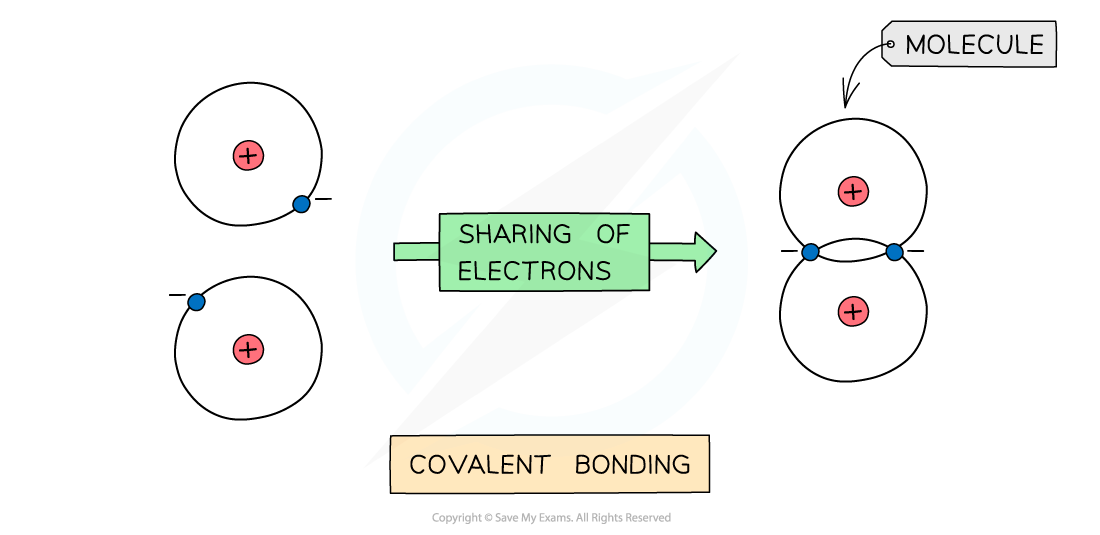
Covalent Bonding Covalent?bonding occurs between two?non-metals A covalent bond involves the?electrostatic?attraction?between nuclei of two atoms and the bonding electrons of their outer she...





