AQA A Level Physics復習筆記2.2.1 Hadrons
Baryons & Mesons Hadrons Hadrons?are the group of subatomic particles that are made up of quarks Therefore, hadrons can feel the?strong nuclear force There are two classes of hadrons: Ba...
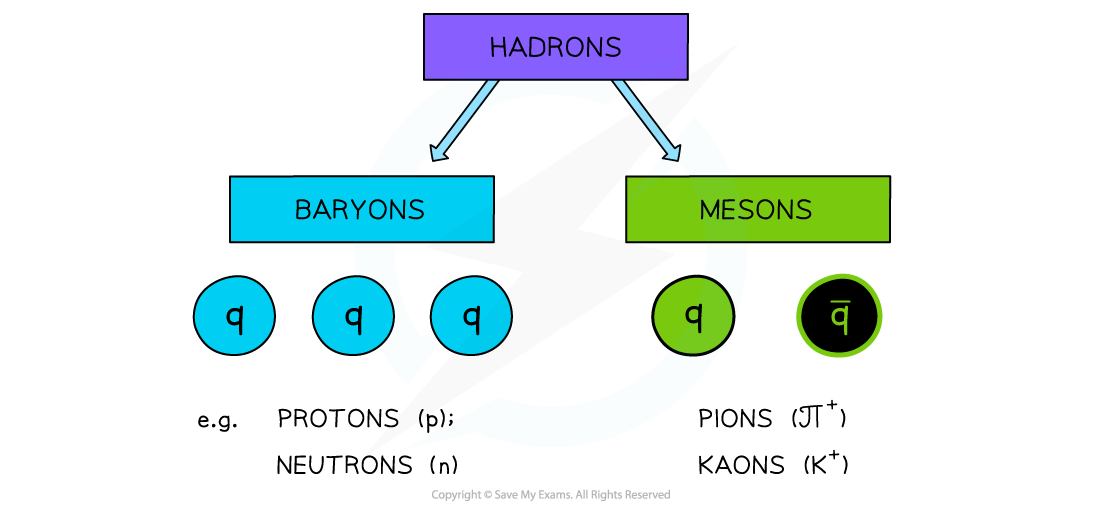
Baryons & Mesons Hadrons Hadrons?are the group of subatomic particles that are made up of quarks Therefore, hadrons can feel the?strong nuclear force There are two classes of hadrons: Ba...
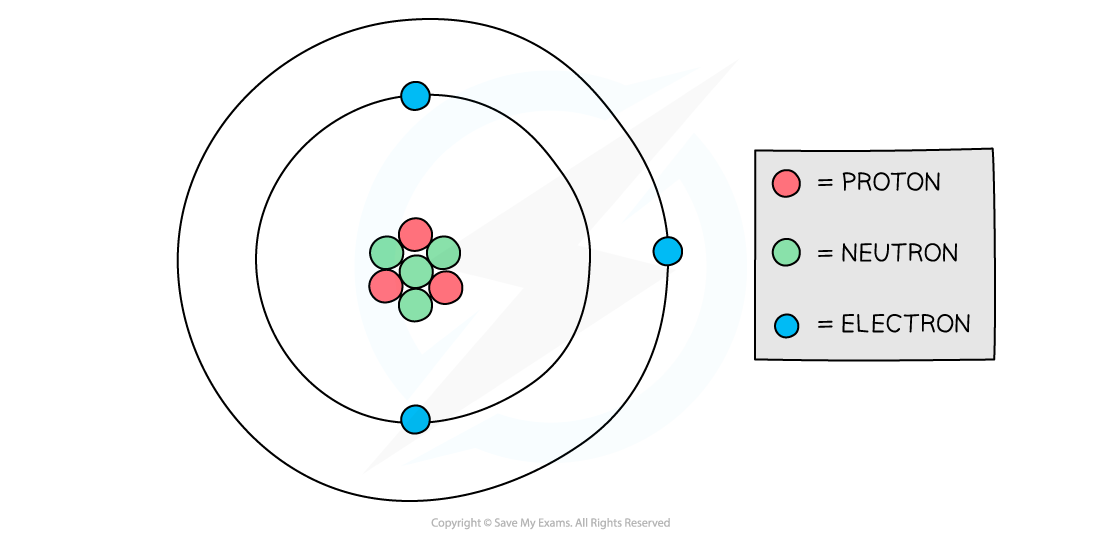
Atomic Structure The atoms of all elements are made up of three types of particles: protons, neutrons and electrons. Protons and neutrons are found in the nucleus of an atom while electrons ...
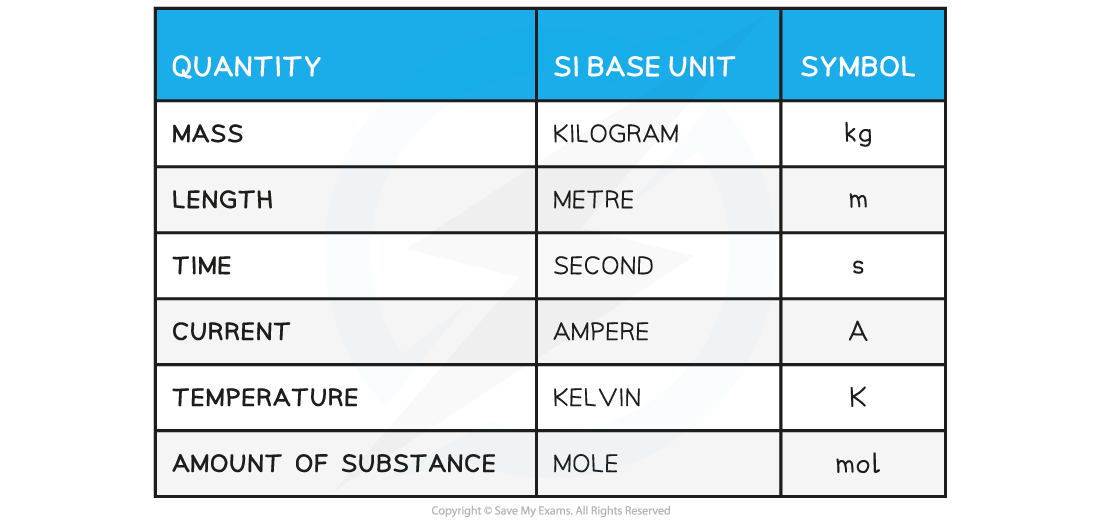
SI Base Quantities There is a seemingly endless number of units in Physics These can all be reduced to six base units from which every other unit can be derived These seven units are referre...
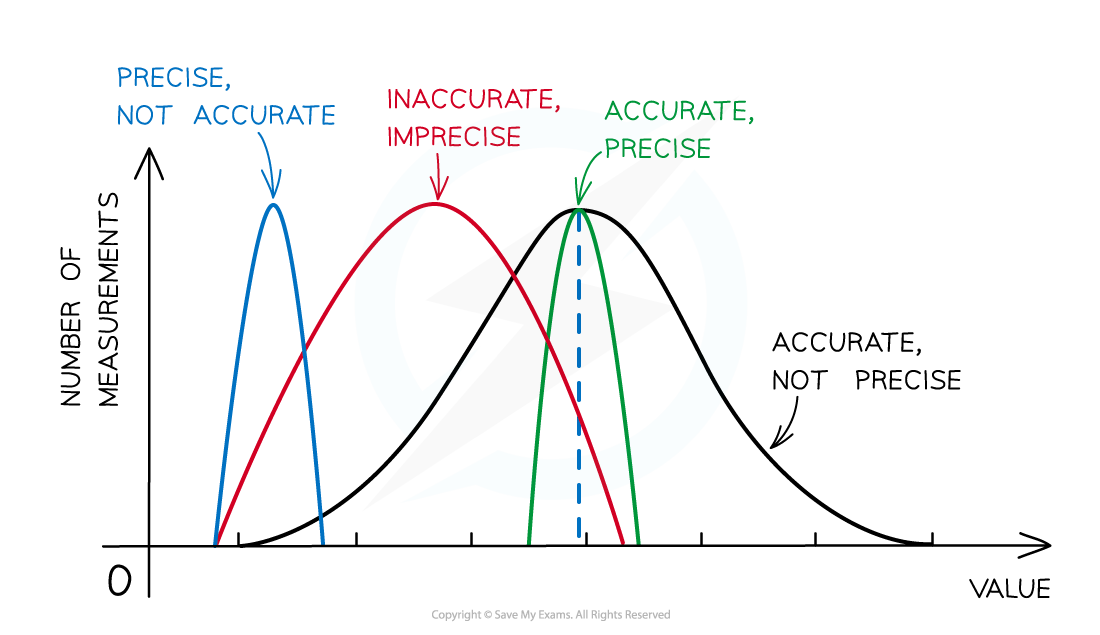
Random & Systematic Errors Measurements of quantities are made with the aim of finding the?true value?of that quantity In reality, it is impossible to obtain the true value of any quanti...
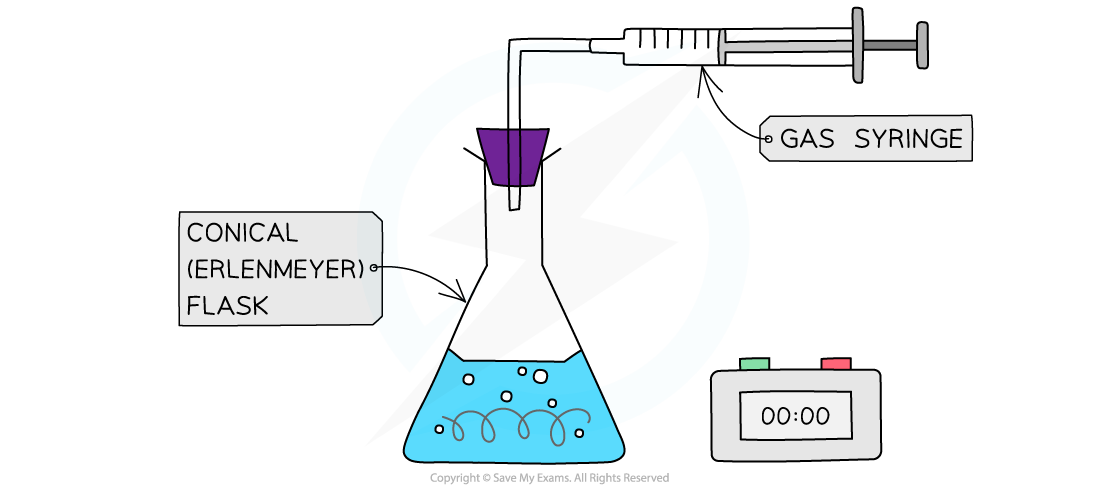
Required Practical 7 Required Practical 7: Measuring the rate of a reaction There are two ways to measure the rate of reaction By an initial rate method By a continuous monitoring method &nb...
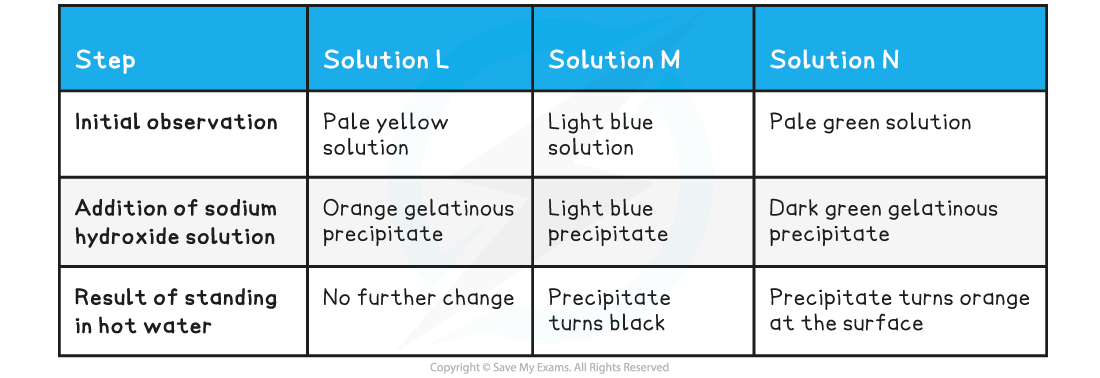
Required Practical 11 Required Practical 11: Carry out simple test-tube reactions to identify transition metal ions in aqueous solution This practical covers a number of key laboratory skill...
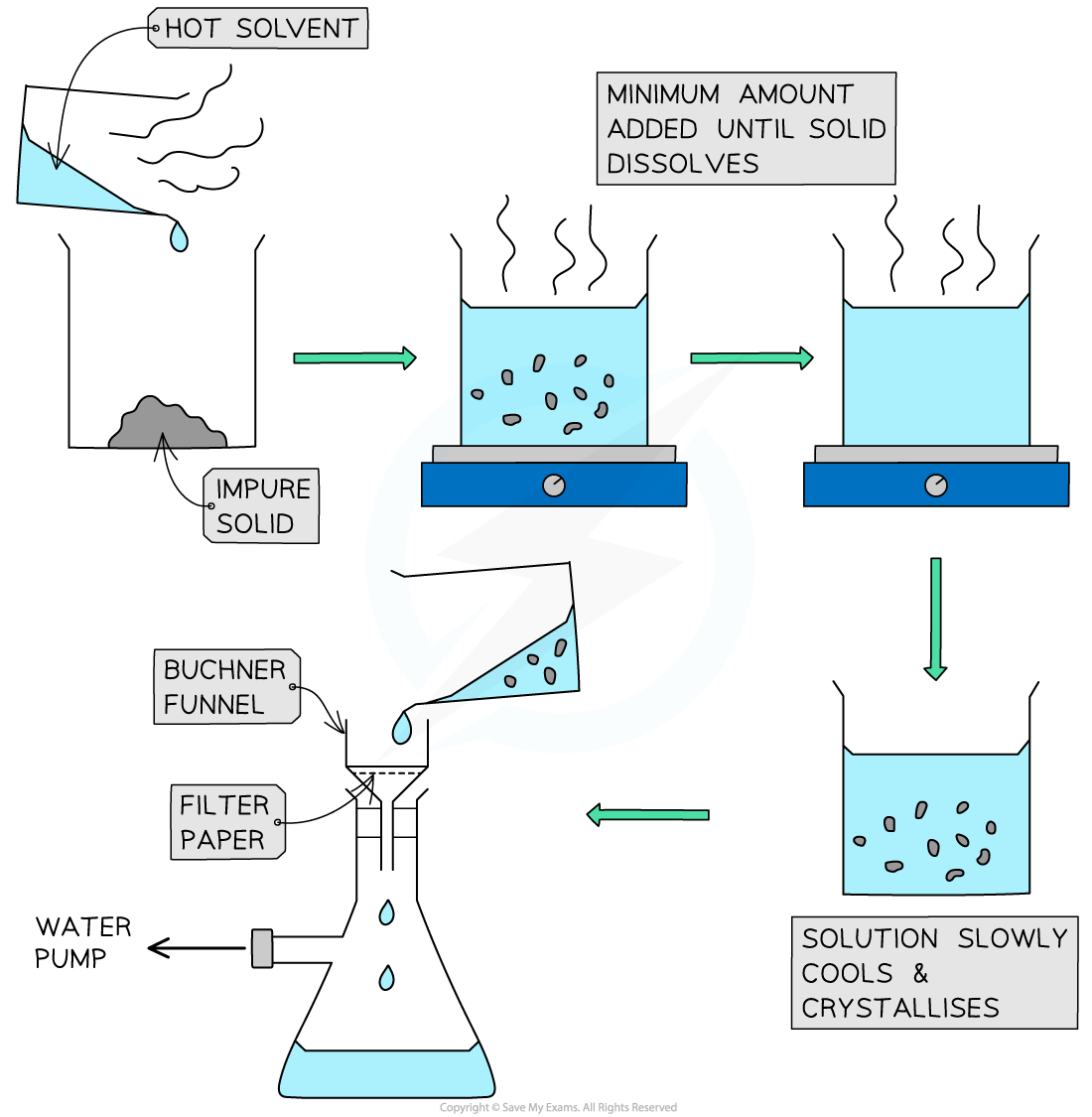
Introduction to required practical 10a Required Practical 10a: Preparation of an organic solid and a test of its purity This practical covers a number of key laboratory skills use appropriat...
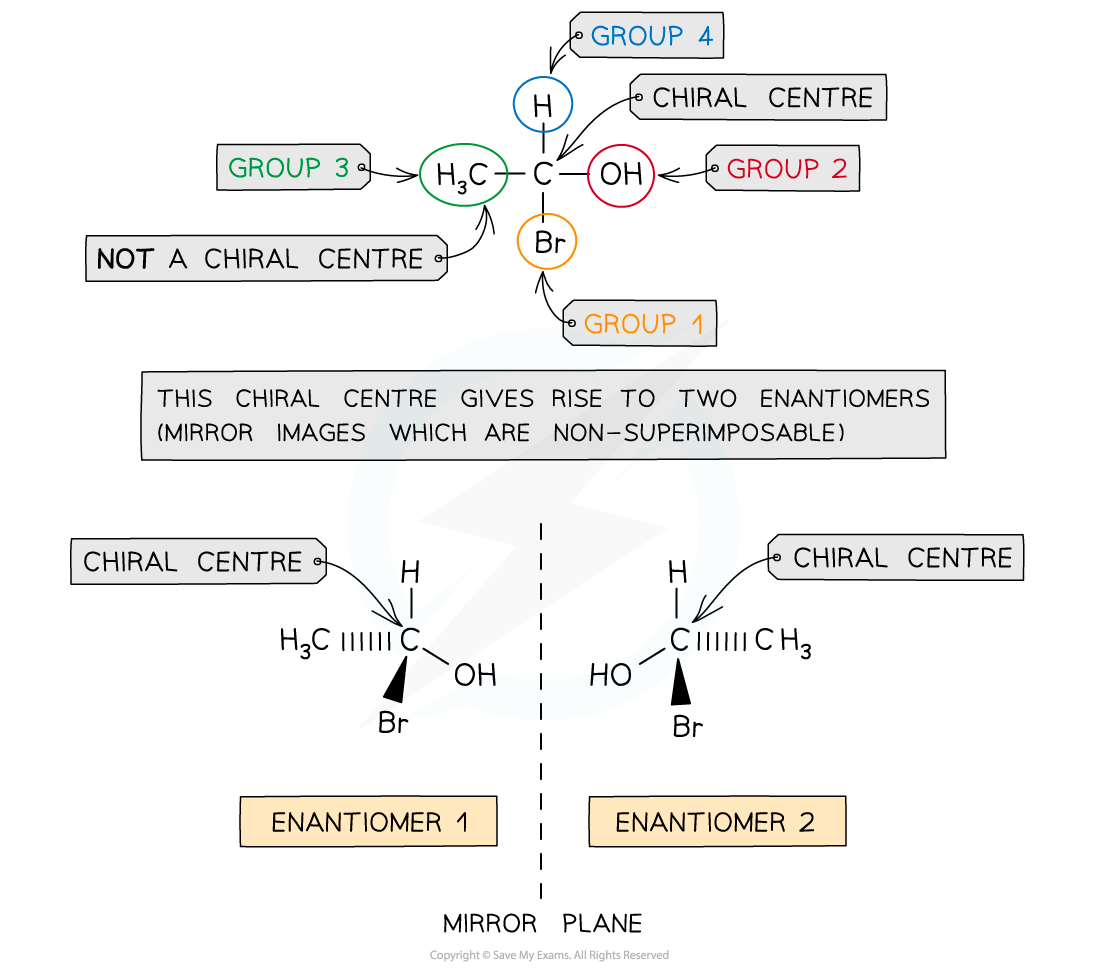
Optical Isomerism Optical isomerism Stereoisomers?are molecules that have the same?structural formula?but have the atoms arranged differently in space There are two types of stereoisomerism ...
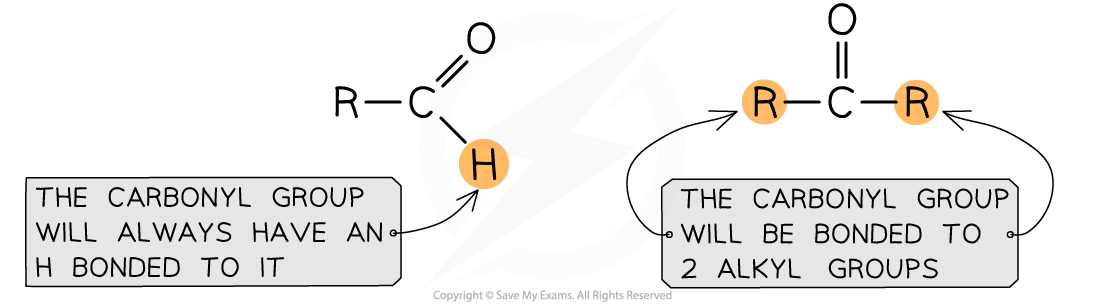
Oxidation of Aldehydes Aldehydes and ketones contain the carbonyl functional group, C=O This is why aldehydes and ketones are also known as carbonyls The difference between aldehydes and ket...





